

Market Outlook
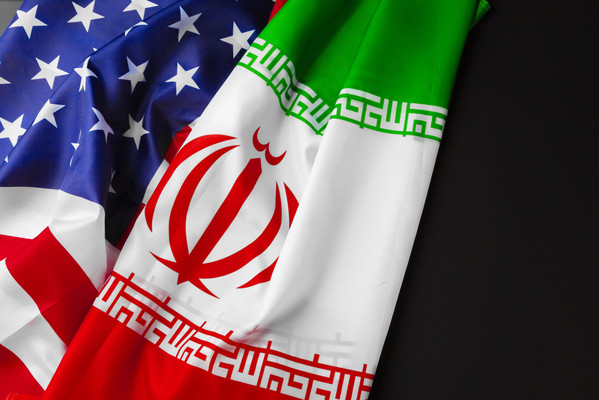


A pause, not peace
A tentative de-escalation in the Gulf may ease short-term risks and spark a market rebound, but persistent geopolitical tensions and energy disruptions are likely to keep oil prices elevated and uncertainty high.
8 APR, 2026
Share
Michael Langham, economist specializing in emerging markets at Aberdeen Investments
- Our initial impression is that this represents a step back by both the Trump administration and, to some extent, the Iranian regime. A fragile ceasefire could hold, given the economic costs that were building up from continued conflict—not only for the countries involved, but for the global economy. We believe that parties with a vested interest in halting the conflict and reopening the strait will intensify their efforts to find a compromise that satisfies the U.S., Israel, and Iran.
- However, the durability of a ceasefire and any conditional agreement that follows will be questionable. We remain skeptical that the U.S. or Israel will accept the 10-point conditions proposed by Iran, especially since it is unlikely that the U.S. will end its military presence in the Gulf, and it is unclear who would fund Iran’s reconstruction. Furthermore, the lack of detail on how Iran would guarantee it does not continue uranium enrichment raises doubts about meeting Israeli conditions. Therefore, we note that tail risks will remain elevated over the next two weeks, providing some support to global oil prices.
- If the two-week ceasefire holds and some form of agreement is reached that allows the strait to reopen, the global economic impact of this conflict should be manageable. We would view this as a temporary price shock that may not significantly affect consumers or businesses in some economies. In that case, central banks could broadly return to the path they were following before the conflict. In fact, if commodity prices normalize quickly, attention may shift more toward growth impacts.
- The longer-term implications of this conflict will include increased global defense spending and greater emphasis on energy security, especially in the Middle East, North Africa, and Asia. Reducing dependence on the strait will be a priority for the Gulf Cooperation Council (GCC), but this could also weaken the U.S.’s position in the region as a security guarantor. Ultimately, the focus on domestic spending needs and reduced savings flowing abroad could shift the balance of growth toward Asia, Europe, and the GCC, away from the U.S.
Ray Sharma-Ong, Deputy Global Head of Multi-Asset Custom Solutions at Aberdeen Investments
- Markets do not need absolute certainty to rally
- For markets, a ceasefire significantly reduces the risk of short-term escalation. That reduction in tail risk is often enough to trigger a rapid rebound, even if long-term uncertainties persist.
- A recent precedent illustrates this. On April 9, 2025, the S&P 500 surged 9.5% in a single session after Trump announced a 90-day pause on reciprocal tariffs introduced on April 2, 2025. At the time, as in the current situation, several major uncertainties remained. However, the removal of extreme downside risk was enough to spark a strong rally. In the following months, markets surpassed previous highs.
- The relief rally is expected to be stronger in North Asia
- Fundamentals will come back into focus, and these—rather than geopolitics—will drive markets if the geopolitical risk premium fades.
- We expect the strongest rebound in markets that were most affected by the oil shock and increased risk aversion. Asian equity markets that are major oil importers—particularly Korea, Taiwan, and Japan—are likely to recover more quickly. These markets are more exposed to energy price fluctuations and global risk sentiment.
- Oil is likely to trade at a premium even after de-escalation
- We expect oil prices to ease from current tension-driven levels, provided the ceasefire holds and flows through the Strait of Hormuz resume. However, we do not expect oil to return to pre-conflict levels. Physical and logistical disruptions will not disappear overnight. Additionally, higher transport costs, war-risk insurance, delays, congestion, inefficiencies from rerouting, precautionary stockpiling, and the geopolitical risk premium will keep oil prices elevated for some time.
Advertising space


Advertising space
Advertising space