The Lottery Effect: Why Cheering for the Minnows Beats Betting on Them

1 JUL, 2026
By Luc Dumontier from iM Global Partner
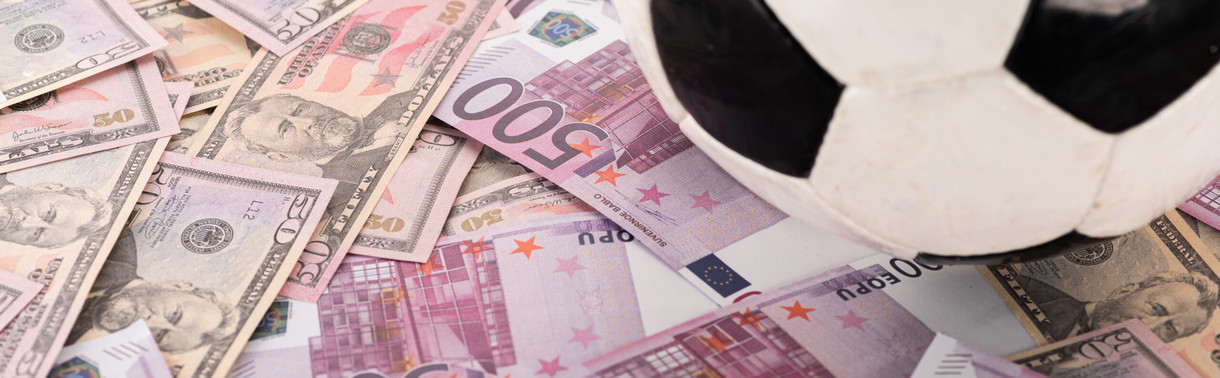


Every World Cup produces at least one giant-killing. A nation nobody fancied holds a favourite to a draw, knocks one out, or reaches a round it had no business reaching. As fans we get enchanted, as the romance of the underdog is among the best things sport has to offer. Unfortunately, the same instinct, transplanted into an investment portfolio, is one of the more reliable ways to lose money.
Probability Neglect in Practice
Behavioural economists have a name for the mechanism at work: probability weighting. When making risky choices, people overweight small probabilities of large gains and underweight large probabilities of small gains (Kahneman and Tversky, 1979). The size and vividness of the prize crowd out the likelihood of claiming it. We do not weigh the odds; we picture the outcome.
The jackpot feels reachable – you’re paying to dream – however the maths tells a very different story.
The Minnow and the Penny Stock
Supporting a long shot taps the exact same emotions. Nobody backs the minnow because they have modelled its squad depth or the fitness of players across a gruelling tournament; they back it because the magic of the upset is irresistible. In sport that is harmless, and often glorious. In markets it is the psychology behind the penny stock, the meme coin and the pre-revenue moonshot.
The pattern is well documented. Alok Kumar's study of US retail investors defines 'lottery-type' stocks as those priced under $5, with high volatility and a history of extreme positive returns, and finds that the investors who favour them earn roughly 2 to 3% a year less than those who do not (Kumar, 2009). The features that make a stock feel like a winning ticket are, on average, the same features that make it a losing one.
The Base Rate Always Collects
The arithmetic is not sympathetic. The odds of a EuroMillions jackpot are roughly 1 in 140 million, and the expected return on a €2.50 line is little more than half its price. A World Cup is kinder, but no less ruthless in its structure: across 22 tournaments only 8 nations have ever lifted the trophy, and the 2026 edition will send 48 teams home with only one winner between them. Occasionally the underdog does triumph – Greece's unlikely victory at Euro 2004 being the classic example, but backing the long shot far more often buys an early exit than a shot at glory.
Why the Story Outsells the Statistic
What makes the lottery effect dangerous is that it hides in plain sight. We always hear about the winners, the friend who bought in early or the nation that reached a shock semi-final. By contrast, the thousands of quiet failures say nothing at all. The dot-com collapse and the 2021 meme-stock episode were, at root, the same story told at scale. We weight the memorable case far above the base rate, and so we keep buying tickets.
Survivorship bias completes the illusion. The penny stocks that collapse are quietly delisted and forgotten, and the nations knocked out in the group stage are rarely spoken of again. What stays in view is a curated reel of winners, which memory then mistakes for the odds. The base rate is unglamorous, and almost always right.
Keep the Romance Off the Balance Sheet
I want to be clear that I am not trying to dissuade anyone from loving the underdog – scenes such as Canada winning their first match from three tournaments, or Cape Verde drawing the mighty Spain in their first ever World Cup match are amazing theatre. Sport is one of the few arenas where the irrational bet costs little and returns a great deal – the price of supporting a World Cup minnow is a few hours of hope and, at worst, a disappointing evening. Cheer without reservation. The mistake is letting that instinct cross the touchline into capital that is meant to compound.
The seasoned investor behaves less like a gambler chasing an upset and more like a manager building for a long campaign: respect the market, diversify, and let probability work across hundreds of small decisions rather than one glorious bet. There is no doubt that it is less romantic than the giant-killing. It is also how portfolios, like trophies, are actually won. Enjoy the minnows this summer, just make sure to keep your savings on the outcome the odds actually support.