It’s been 10 years since the approval of the Sustainable Development Goals (SDGs)

25 SEPT, 2025
By Joanna Piwko from RankiaPro Europe
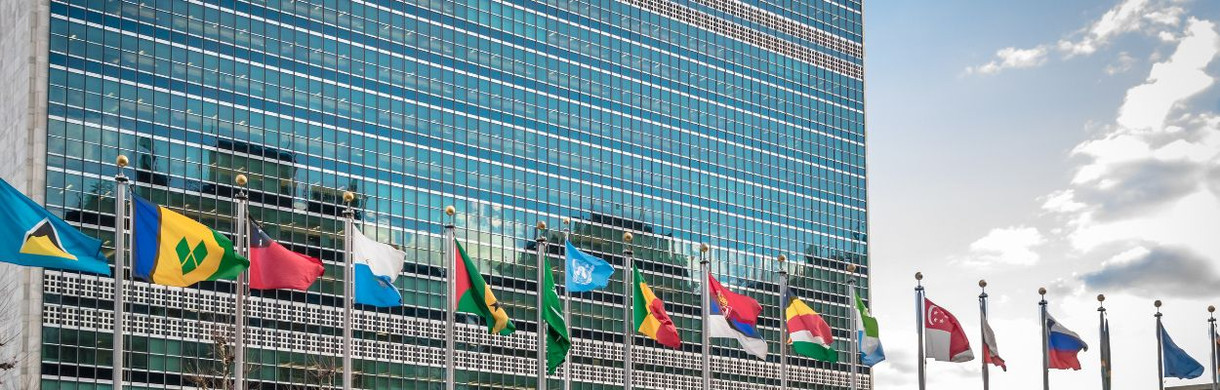


On September 25, 2015, the Member States of the United Nations adopted the 2030 Agenda, an action plan that crystallized into the 17 Sustainable Development Goals (SDGs). Backed by 193 countries, the SDGs establish a common framework to address major global challenges —from poverty and inequality to the climate emergency— and set 2030 as the time horizon.
For the financial ecosystem, this set of goals is not only a political or social instrument: it has become a reference language to channel capital towards sustainable solutions, as well as a key parameter to measure investment risks and opportunities.
What are the SDGs and what sets them apart?
The SDGs encompass 17 goals and 169 specific targets, which comprehensively address the economic, social, and environmental dimensions of development. Unlike the Millennium Development Goals (2000-2015), which had a more limited scope, the SDGs incorporate interconnected global challenges, from climate action (SDG 13) to decent work and economic growth (SDG 8) or reducing inequalities (SDG 10).
This comprehensive vision translates into a framework that obliges governments, businesses, and investors to recognize that sustainability risks are systemic and that their management requires multilateral coordination and private capital.
What are the SDGs?
The 17 Sustainable Development Goals are:
- End of poverty
- Zero hunger
- Good health and well-being
- Quality education
- Gender equality
- Clean water and sanitation
- Affordable and clean energy
- Decent work and economic growth
- Industry, innovation and infrastructure
- Reduction of inequalities
- Sustainable cities and communities
- Responsible production and consumption
- Climate action
- Life below water
- Life on land
- Peace, justice and strong institutions
- Partnerships for the goals
Far from being just a regulatory framework, the SDGs have established themselves as a reference point in ESG integration (Environmental, Social, and Governance) and as a guide to identify impact investments. Thematic funds, green and social bonds, as well as private equity and venture capital strategies, find in the SDGs a scheme to map their contributions.
Why were they born?
The origin of the SDGs responds to a realization: the progress made with the Millennium Goals was significant but insufficient. Extreme poverty, inequality, and above all, the climate threat persisted. In this context, the United Nations opted for a more ambitious framework that simultaneously integrated economic growth, social cohesion, and environmental sustainability.
The new approach recognized that governments alone could not close the necessary financing gap —estimated by the UN at between 5 and 7 trillion dollars annually—. Public-private collaboration and the mobilization of institutional capital became essential.
Challenges for the next 5 years
Five years from 2030, progress towards the SDGs faces significant obstacles: the Covid-19 pandemic, persistent inflation, and geopolitical tensions have slowed progress. However, the relevance of the SDGs as a reference framework in the allocation of sustainable capital remains intact.
For professional investors, the SDGs offer a dual utility:
- Risk map: anticipate regulatory, social and environmental disruptions.
- Source of opportunities: identify sectors and companies aligned with sustainable megatrends, from energy transition to infrastructure innovation.
In short, the SDGs are more than a political statement. They represent a global standard that connects the needs of society with the allocation of capital and will continue to set the agenda for responsible investment in the coming years.