The Bank of England has kept interest rates on hold

5 FEB, 2026
By Joanna Piwko from RankiaPro Europe
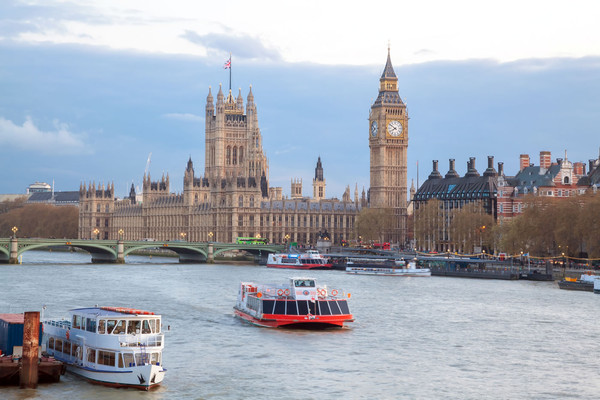


The central bank’s nine-member Monetary Policy Committee narrowly voted 5–4 to leave rates unchanged, with four members backing a 25-basis-point cut to the benchmark Bank Rate. Economists surveyed by Reuters had anticipated a more decisive 7–2 outcome. What do experts say about this decision?

Filippo Alloatti, Head of Financials (Credit) at Federated Hermes
The outcome leans clearly dovish, given that markets had been pricing in virtually no chance of a cut today. The MPC now expects inflation to return to the 2% target by April, and this period of (likely temporary) disinflation should, all else equal, tilt the balance toward a rate cut in March (currently priced at over 50%). A further reduction in the summer is also plausible, which would bring Bank Rate to a trough of around 3.25%.

Richard Flax, Chief Investment Officer at Moneyfarm
With inflation unexpectedly rising to 3.4% and the unemployment rate at a four-year high, the Monetary Policy Committee (MPC) was required to act with particular caution.
The Committee appeared divided, with five votes in favor of keeping rates unchanged and four supporting a cut. This split highlights the high level of uncertainty: on the one hand, some members believe that rising unemployment justifies further monetary easing; on the other, concerns remain that wage pressures could continue to fuel elevated inflation. At this stage, the central bank prefers to wait for more convincing signs that price pressures are genuinely easing before moving ahead with further cuts. While policymakers consider additional rate reductions likely later in the year, today’s decision leaves households and businesses awaiting clearer evidence that inflation is returning toward its target.

Neil Mehta, Portfolio Manager at RBC BlueBay
This was supposed to be a regular meeting but a 5-4 split to hold rates was a marginal dovish surprise relative to market expectations. This is not the first time the MPC’s ‘swing voters’ have shown their true hand. Despite core CPI still at 3.2%, Mann, Ramsden and most importantly Bailey, are ready to put the economy first, if the risks to inflation are relatively contained.
Ramsden thinks neutral rates are still 75bps lower, Mann is moving closer to another cut, and Bailey suggests the risks to inflation persistence has reduced. The MPC projects ‘stickier’ services inflation to fall to 3.3% in Q2, which would represent a four-year low, while the risks to wages and the labour market are strictly to the downside.
The MPC has a window over the next 6-9 months to bring rates back down to more ‘neutral’ levels, projecting headline CPI to fall sharply due to budget related policies. Current political risks are a concern too but will only add to economic uncertainty and amplify downside risks to the economy, which may suggest weaker data and a more accommodative BOE over time. But the structural forces keeping inflation from dipping below 2% sustainably remain: a disjointed labour market, onerous energy policy, and misallocation of capital expenditure to boost productivity.

Luke Bartholomew, Deputy Chief Economist at Aberdeen
It came as no surprise that the Bank of England chose to keep interest rates unchanged today. However, the decision was much closer than expected, with a solid moderate minority that is likely to continue pushing for further rate cuts in the coming months. As a result, Governor Bailey will remain the decisive vote in shaping the direction of monetary policy. If inflation continues to ease over the next few months, we still expect him to lean toward additional cuts in the not-too-distant future. A cut at the Bank’s next meeting in March is very much on the table. And even if the next cut takes a little longer to materialize, we continue to believe there are strong arguments for rates to eventually fall to 3% by the end of this year.