Are markets starting to take the risks associated with Elon Musk more seriously?

13 JAN, 2025
By Alexis Bienvenu


AUTHOR: Alexis Bienvenu, portfolio manager, La Financière de l’Echiquier
After celebrating the election of Donald Trump at the beginning of November, the markets are starting to take the risks associated with Elon Musk more seriously.
Thus, the U.S. stock market's S&P 500 index loses more than 3% (as of January 2, 2025) since December 16. On the other hand, Tesla's stock loses 18% after rising more than 80% between the presidential election and December 16.
The truth is that this disenchantment does not only come from fears related to the future president's economic policy; it also originates from the less expansive stance adopted by the American central bank. Just remember that the Fed cut its benchmark rate by 25 basis points at the end of its December 18 meeting, but accompanied this move with a cautious message about future rate cuts, which would now not exceed two by the end of 2025, according to the governing council's projections. Far from providing the benchmark rate with a perspective of rapid normalization towards its long-term target, the Federal Reserve sees this settling around 3.9% at the end of 2025, partly due to the inflation expected in 2025 which is higher than that projected during the September meeting. The market's reaction could only be negative.
However, one must ask why this inflation forecast is higher. In truth, the latest inflation data does not clearly indicate particularly harmful inflation in 2025, but there are several factors that should help contain it, especially the moderation of real estate prices, the gradual relaxation of the labor market or the current moderation - expected to be lasting - of oil prices. Therefore, there are reasons to believe that this unfavorable revision of inflation forecasts comes, at least in part, from assumptions about the future economic policy of the next president. The truth is that the Fed's chairman, Jerome Powell, avoids speculation on this issue, but the mere fact that there is an upside risk to inflation in the president's program inevitably reflects in monetary policy forecasts. In this way, one of the worrying consequences of Trump's program may concern the market.
Other dark aspects of Trump's power may have had something to do with this market disenchantment. This is the case, especially, of the deep disagreements, already manifested, that are eroding the president's field and that foreshadow great instability in future policies. The first episode of great tension in the Republican field was experienced on December 19, when the Republican-majority House of Representatives rejected a budget project presented by Trump that was explicitly directed by Musk. This refusal left the country on the brink of federal administration closure. A modified version was approved in extremis, at the cost of making significant concessions on the most "Muskian" aspects of the budget, but this fact did not close the fracture in the party, which subsequently manifested itself on the issue of immigration. Some Trumpist figures have asked that access to H-1B visas be prohibited, which are granted to facilitate the immigration of foreigners with rare professional skills. This initiative sparked the wrath of Elon Musk, who declared he was willing to fight with all his might to protect their use, vital for the innovation economy, while Steve Bannon, a historic Trumpist just out of prison, invited Elon Musk "to sit at the back of the class" the necessary time to correctly understand Trumpism.
These deep disagreements may persist while Trump tries to reconcile the interests of Silicon Valley billionaires and the rednecks of the Midwest. The vote on crucial measures, particularly the budget, could face impasses, which the market will not fail to punish. It is important not to lose sight of the parliamentary clashes aboard the Trumpist Tesla.
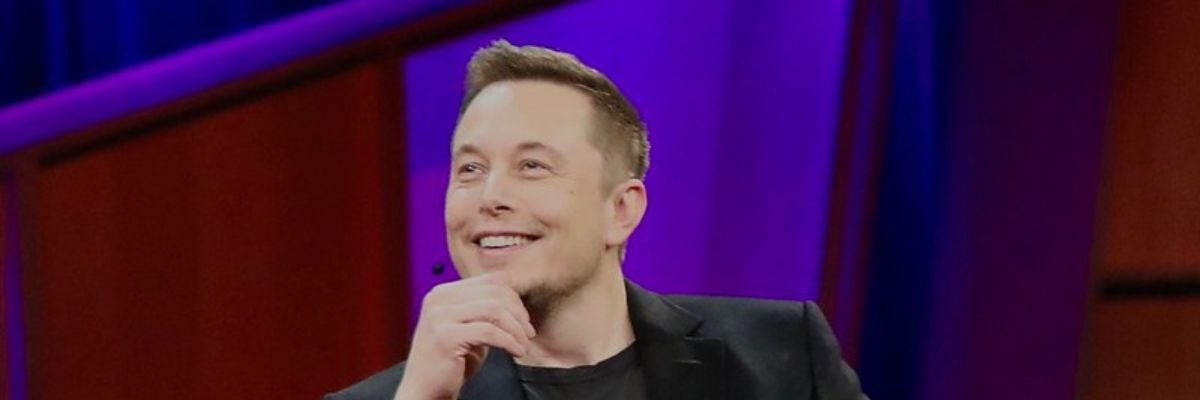
Photograph by Steve Jurvetson, Flickr