ESG, tariffs & politics: impact on corporate sustainability according to an expert

3 OCT, 2025
By Joanna Piwko from RankiaPro Europe



ESG considerations are reshaping the way companies operate, influencing everything from strategy to supply chains. Tariffs, political shifts, and climate pressures are becoming key factors in corporate decision-making. Marie Lassegnore, CFA, Head of Financial & ESG Analysis and Executive Committee Member at Crédit Mutuel Asset Management, takes a closer look at how these forces are impacting the sustainable transformation of businesses.
“In today’s world, where economic and climate pressures are constantly shaping business, tariffs are becoming a key strategic tool”, says Marie Lassegnore. She points out that European companies operating in the U.S. face a paradox: they are under pressure to decarbonize in Europe but have little incentive to do so in the U.S. Relocating some operations may help reduce emissions and improve logistics, yet moving production or leaving geopolitically distant partners is often costly and time-consuming.
Recent earnings reports, Lassegnore notes, show mixed effects of tariffs – hard to quantify and uneven across sectors. In the short term, companies often raise prices to protect margins, creating pressure on sales volumes. Over the long term, reshoring and industrial sovereignty issues will also influence initially less affected sectors.
Key drivers and warning signs
Lassegnore highlights several forces shaping the landscape:
- Climate adaptation costs: Extreme heat and rising climate-related expenses in 2025 increase the need for infrastructure and adaptation investments.
- Energy transition bottlenecks: Limited capacity to meet fast-growing electricity demand affects industries like cooling, e-mobility, data centers, and AI.
- China’s influence: Shifts in U.S. energy policy are minor compared to global trends. By 2025, 85% of electricity demand growth comes from China and emerging markets, with 90% supplied by solar and wind.
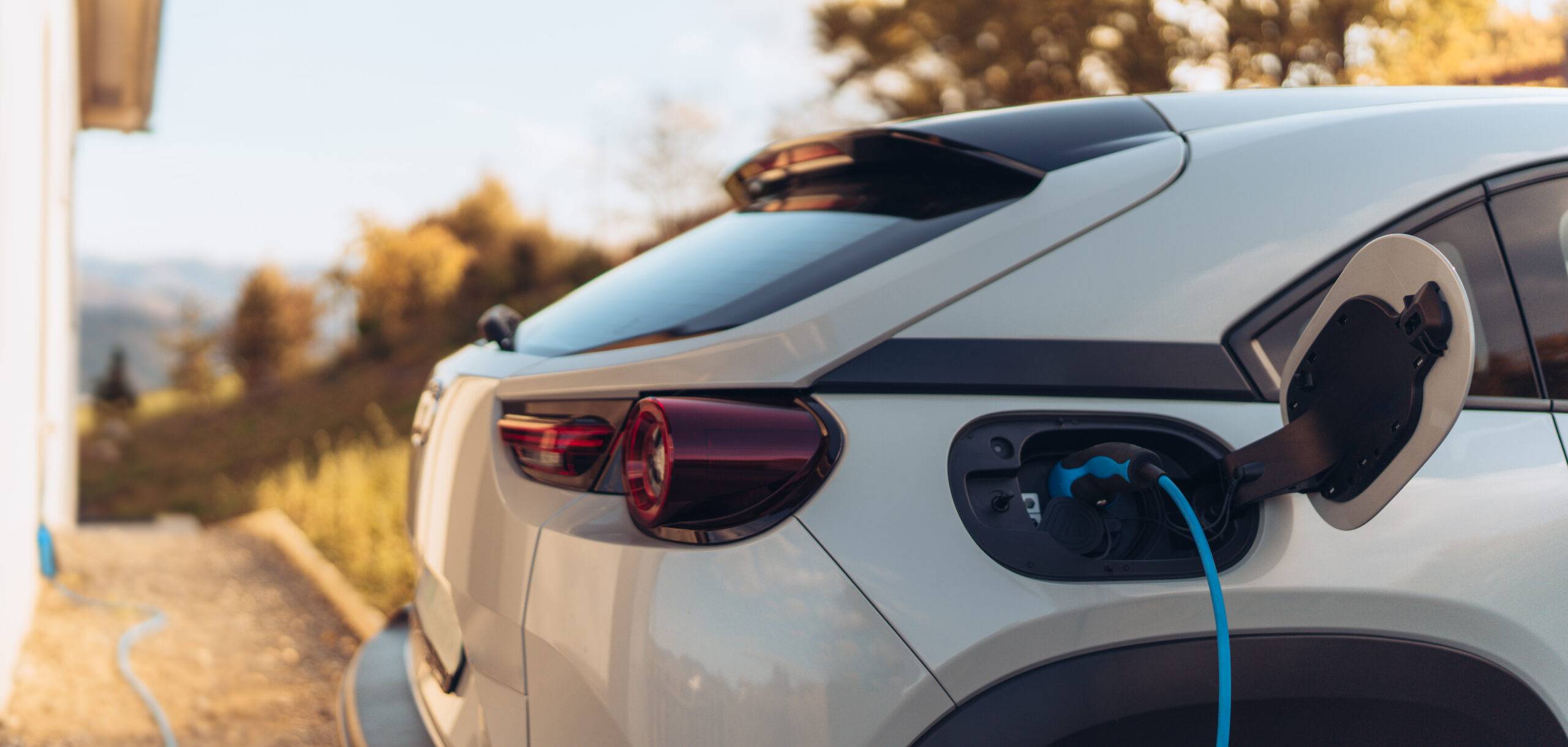
- EV adoption: Electric and hybrid vehicles are expected to reach 25% of global sales, led by China at 55%.
She also warns that some tariffs could undermine Europe’s industrial competitiveness and sovereignty, for example:
- Tariff differences between primary and scrap aluminum may favor exports of scrap, threatening higher value-added products, recycling, and the low-carbon transition.
- Beyond extra costs, political shifts are more decisive than tariffs in shaping demand and sustainable market assets.
- U.S. trade restrictions are unlikely to cut shipping emissions if fossil-heavy policies like “drill baby drill” are pursued.
Positioning
According to Lassegnore, tariffs and political shifts may slow the low-carbon transition in some regions, but they won’t stop it, given the structural forces already at play.
“The real challenge for companies isn’t surviving short-term disruptions, but navigating today’s environment while keeping an eye on long-term sustainability trends”, she says.
The companies demonstrating resilience now are those integrating long-term adaptation needs –essential factors that will reshape their business models.