What to Expect from Gold, Silver, and Mining Stocks After Trump’s Tariffs

16 APR, 2025
By Ned Naylor-Leyland
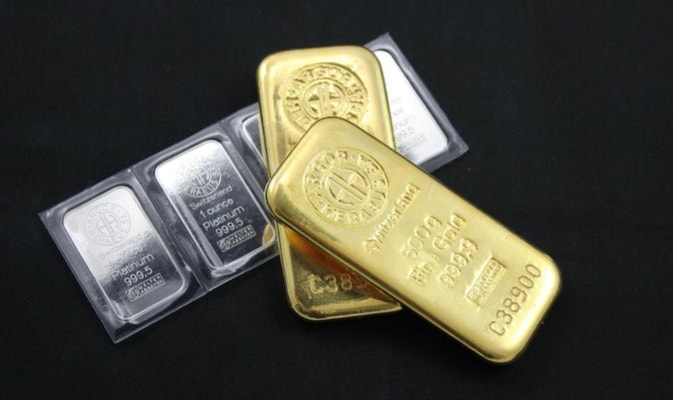


The price of gold has recently reached a series of records: in 2024, 40 new highs were recorded, and the price of gold in dollars rose by 19% in the first quarter of this year, marking the largest quarterly increase since 1986.
These gains are driven by gold's role as a safe haven in times of uncertainty and as a portfolio diversifier. The weakness of the dollar and inflation expectations have also contributed to increased demand.
However, in our opinion, investors are not widely participating in the gold market. The price rises of the past year mainly reflect purchases by a small group of derivative traders, including hedge funds, and central banks, which have been increasing their reserves for three years.
On the Sidelines
At the time of writing this commentary, long-term investors have not participated in this rally in the same way they did during a previous bull market in monetary metals, between 2009 and 2012, when central banks were ramping up quantitative easing. For now, general investors have mostly stayed on the sidelines and, in our view, are underweighting gold, silver, and the shares of gold and silver mining companies.
We believe this situation is set to change, and I have seen the first signs of it. In the volatile days following the U.S. announcement of its tariff plans on April 3 (which President Trump called Liberation Day), a handful of mining stocks rose. Some general investors began to take positions in the sector, even though the metals themselves were falling in price. At that moment, the market seemed to signal that, with gold, silver, and other metals exempted from the reciprocal tariffs, there had been a sudden shift in direction towards the U.S. in the monetary metal arbitrages that had been occurring during the first quarter.
The price of silver rose by 18% in the first quarter, the largest increase since the fourth quarter of 2022, although it has since retraced slightly back to its 2023 price range. Looking at the ratio between the price of gold and silver, I believe it is time for silver to make a comeback. Silver, which is an important component in industry, also suffers from a significant shortage.
What Could Work Now
I believe that in the coming days and weeks, asset allocators will need to stop sitting on their hands and think about what investments can provide some joy for the rest of the year. In my view, mining companies are performing excellently on an operational level, making them hard to ignore, especially in this sharply defined market context where many other stocks are a drag.
Mining companies typically gain momentum during bull markets for monetary metals. With fixed costs, the rise in gold and silver prices tends to have a direct impact on the profitability and cash generation of mining companies. Right now, they are spending a lot of cash, paying dividends, and are undervalued relative to history, according to indicators like price-to-cash flow.
Stagflation?
We believe the current macroeconomic environment is attractive for investors in monetary metals. Is stagflation on the horizon in the U.S.? In my view, it seems more likely than it did a year ago. Since Liberation Day, economists have been lowering growth estimates and raising inflation forecasts. In the past, stagflation has proven to be an ideal backdrop for monetary metals.
Our view is that pension mandates, institutional investors, and long-term investors should consider gold, silver, and gold and silver mining companies as a standard investment. It has been shown that a small allocation to gold reduces the volatility of a portfolio of stocks and bonds.
Gold is one of the primary reserve assets for central banks, which use it to protect against inflation and market risk, and these institutions have been increasing their positions, according to the World Gold Council. We believe gold, silver, and the shares of gold and silver mining companies have an important role to play in a well-diversified investment portfolio, particularly in the current macroeconomic and market environment.