The Impact of the US Election on Climate Change

21 OCT, 2024
By La Française



Author: Marie Lassegnore, CFA and Head of Financial and Extra-Financial Analysis at Crédit Mutuel Asset Management
The US rate cut in September started to steer the market towards the end of the year, with a repositioning of the market towards defensive companies and those negatively correlated to interest rate movements. This was accompanied by the rise in the polls of Kamala Harris as a possible future US president. This reversal was beneficial for the environmental sphere, as Donald Trump's popularity suggested the deregulation of polluting industries and a further exit from international agreements.
Harris is pushing a new proposition by capitalising on a pragmatic and committed responsibility to environmental advocacy, while positioning herself more pro-business than progressive Democrats. This suggests the possibility that she could play a pivotal role in US leadership on the energy transition, addressing the current bottlenecks of the Green New Deal. In this scenario, the oil industry would be the most affected.
Combined, these two factors in the US are positive catalysts for companies providing climate and nature solutions, which will benefit from lower rates to redistribute funding to intensify their efforts. Moreover, in a general context of weak growth, this would be beneficial for companies offering digital technology products and services that improve the competitiveness of industries, both economically and in the management of natural resources or energy.
Finally, companies in the food sector, such as those that increase agricultural yields (suppliers of high quality seeds resistant to pests and lack of water, precision agriculture, irrigation and water treatment systems, the more general theme of sustainable agriculture…) are also currently well positioned to benefit from the market environment.
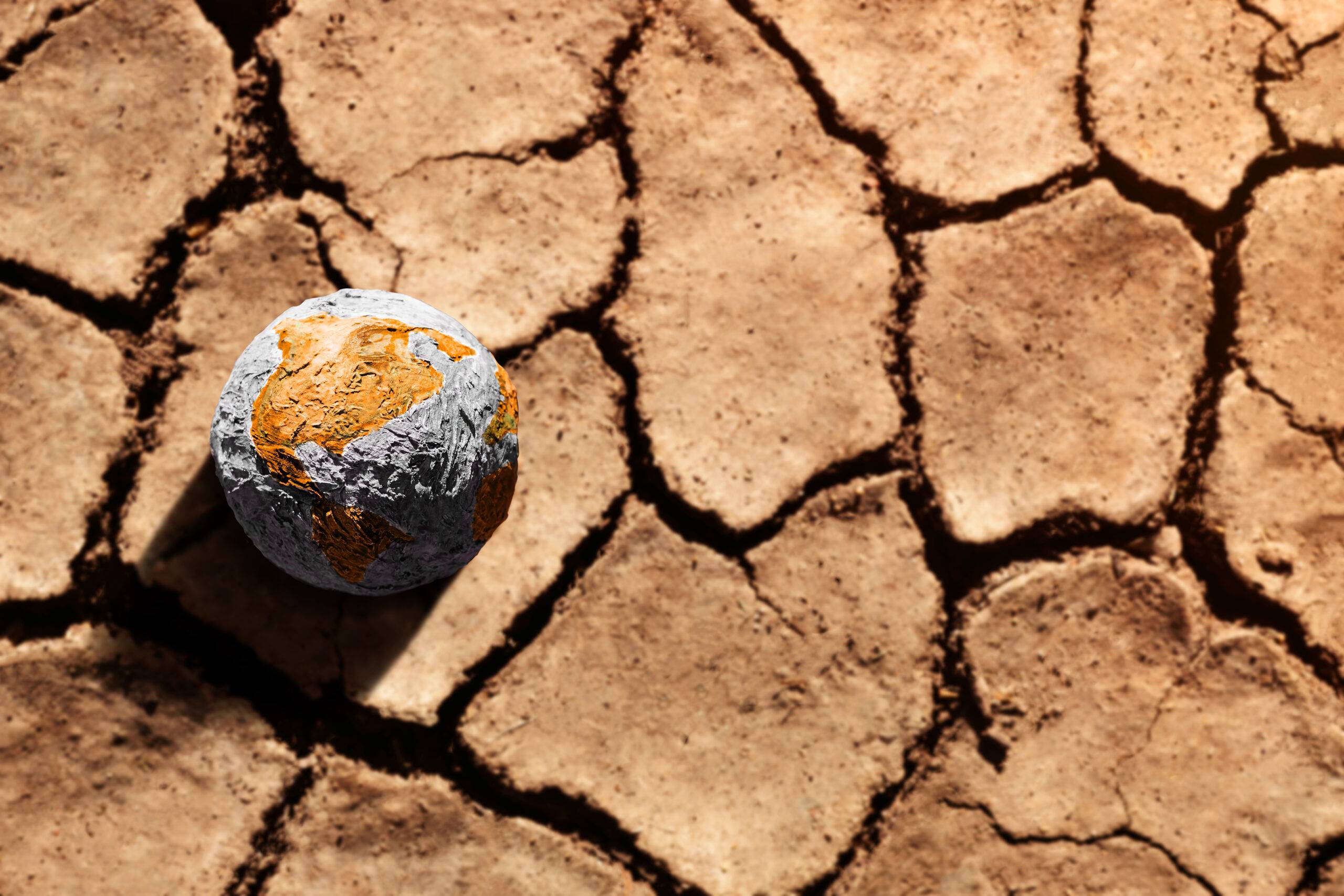
Funding for this sector is all the more important as the droughts caused by the prolonged El Niño storm are having long-term repercussions in various parts of the world. The situation is expected to be particularly critical in the coming months, exacerbating an already dramatic hunger crisis. For example, 17% of South Africa's population is in need of food aid, and Zimbabwe, Zambia and Malawi have declared their hunger crises as a state of emergency. In Europe, agricultural yields are also affected, with, for example, a drop in grape production of more than 40 per cent compared to the 30-year average in southern Spain as a result of the drought. In France, winter rains have had a massive impact on soft wheat production, which is expected to fall by 15-17% compared to 2023.
The visible signs of increasing pressure on our food supply and thus indirectly on the preservation and restoration of nature are increasingly central in the field of climate change adaptation and at the heart of future international discussions at COP16 - biodiversity - at the end of October in Colombia and COP29 - climate - in mid-November in Azerbaijan.