How to invest in green hydrogen? Funds and ETFs

Updated:
20 OCT, 2026
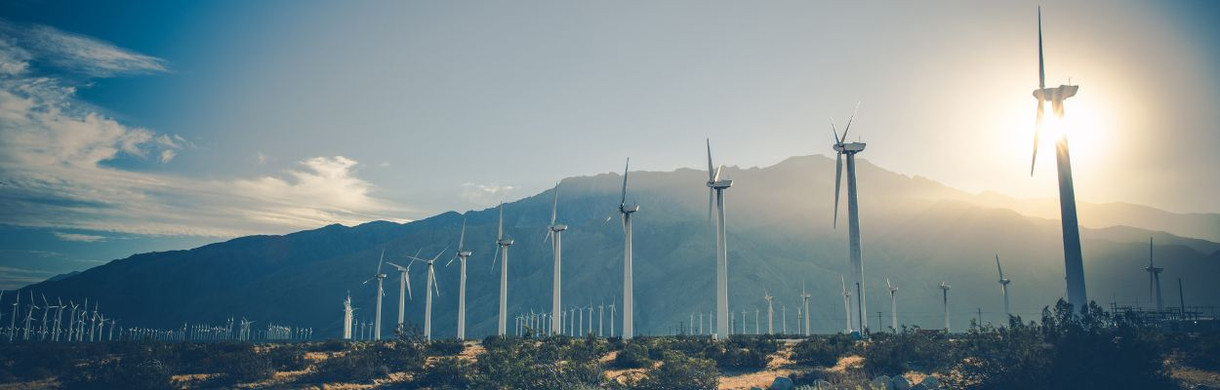


Hydrogen is set to play a key role in the decarbonization process of the economy, not only because it does not produce polluting emissions (green hydrogen), but also for its efficiency: it generates more electrification is difficult, such as steel, fertilizers, refining, and heavy transport, and that it can store intermittent renewable energy.
However, its actual share remains marginal. According to the International Energy Agency’s (IEA) Global Hydrogen Review 2026, global hydrogen demand exceeded 100 million tonnes (Mt) in 2025. Almost all of it comes from natural gas and coal. Low-emissions hydrogen accounts for barely 1 Mt, less than 1% of the total.
The green hydrogen market in 2026
The sector is going through a period of adjustment following the enthusiasm of 2020 and 2021. In 2025, the IEA lowered its estimate of potential low-emissions hydrogen production by 2030 to 37 Mt per year, down from 49 Mt the previous year, due to project delays and cancellations.
Cost remains the main obstacle. Producing hydrogen from fossil fuels is still much cheaper, and the gap has widened since 2022 due to gas price volatility, rising interest rates, and higher equipment costs.
Even so, there are signs of progress. Demand for low-emissions hydrogen grew by 20% in 2025, driven mainly by refining and industry in Europe and India. China, meanwhile, accounts for around 65% of installed or committed electrolyzer capacity, adding a significant competitive factor for Western manufacturers.
In terms of applications, the sectors that could benefit most are:
- Production: manufacturers of electrolyzers and fuel cells, industrial gas producers, and renewable energy generators.
- End use: heavy industry (steel, chemicals, fertilizers), refining, maritime and road freight transport, and, to a lesser extent, aviation.
How to invest in green hydrogen: three ways
1. Hydrogen ETFs
They are the most direct way to gain exposure, as they track indexes of companies whose activities are primarily linked to hydrogen. These are the main UCITS ETFs available to European investors:
| ETF | ISIN | Assets (M€) | Ongoing charges |
|---|---|---|---|
| L&G Hydrogen Economy UCITS ETF | IE00BMYDM794 | 391 | 0,49% |
| Amundi Global Hydrogen UCITS ETF | FR0010930644 | 217 | 0,45% |
| VanEck Hydrogen Economy UCITS ETF | IE00BMDH1538 | 98 | 0,55% |
| iShares Energy Storage & Hydrogen UCITS ETF | IE000DR59CI3 | 53 | 0,50% |
| Global X Hydrogen UCITS ETF | IE0002RPS3K2 | 34 | 0,50% |
| BNP Paribas Easy ECPI Global ESG Hydrogen Economy | LU2365458145 | 18 | 0,30% |
| Invesco Hydrogen Economy UCITS ETF | IE00053WDH64 | 9 | 0,60% |
It is worth reviewing each index’s methodology before investing. Some ETFs require companies to generate at least half of their revenue from hydrogen, while others combine hydrogen with energy storage or industrial gases, which substantially changes the risk profile.
Several of them have low assets under management, an aspect to monitor because of its impact on liquidity and the risk of the fund being closed.
2. Clean energy funds with exposure to hydrogen
Because it is an emerging technology, there are few funds focused exclusively on green hydrogen. In Spain, one of the pioneers was Renta 4 Megatendencias Ariema Hidrógeno y Energías Sostenibles, which invests most of its assets in companies with proprietary hydrogen and fuel cell technology.
The most common way to gain exposure is through clean energy or climate-themed funds, where hydrogen is one component alongside solar, wind, grids, or storage. Actual exposure may be very low: in some cases, it accounts for less than 1% of the portfolio, as Robeco acknowledged for its Smart Energy fund. Other investment funds currently offering exposure to hydrogen include Pictet-Clean Energy and Candriam Sustainable Equity Climate Action.
For investors seeking exposure to the theme, this means reviewing the fund’s actual holdings rather than just its name. In our section on the green transition beyond energy, we explain how thematic managers allocate weight to each subtheme based on their valuation.
3. Shares in companies across the value chain
Direct investment in shares allows investors to choose which link in the value chain to target, although it concentrates risk. By segment, some examples of publicly traded companies include:
- Electrolyzers: Nel, ITM Power, or thyssenkrupp nucera.
- Fuel cells: Plug Power or Ballard Power.
- Industrial gases: Air Liquide or Linde, with diversified businesses and greater stability.
- Energy and infrastructure in Spain: Iberdrola, Repsol or Enagás, with hydrogen projects as part of a broader business.
Pure-play companies tend to have high R&D expenses and limited visibility into their profitability, while diversified companies offer less exposure to the theme but greater financial strength. An intermediate alternative is to invest in electrification and grids, an approach already reflected in products such as VanEck’s new ETF focused on electrification and energy infrastructure.
Risks of investing in green hydrogen
The main risk is regulatory dependence: the viability of many projects is tied to subsidies and tax credits that may change with the political cycle, as seen in the United States and some European countries.
This is compounded by very high volatility. The VanEck Hydrogen Economy UCITS ETF, for example, posted annual losses of between 25% and 35% in 2022, 2023 and 2024, before rising 5% in 2025 and more than 33% so far in 2026. This performance calls for long investment horizons and a limited position size.
Other risks include concentration in loss-making small-cap companies, competition from Chinese electrolyzer manufacturers, and technological risk compared with alternatives such as batteries or direct electrification.
Conclusion
Green hydrogen remains an important part of decarbonization, especially in heavy industry, but its development is progressing more slowly than expected due to high costs, nascent demand and dependence on subsidies. The asset managers themselves agree that its role will be complementary to renewables and batteries.
For investors, thematic ETFs offer the most direct exposure, albeit with high volatility; clean energy funds provide diversification at the cost of limited exposure to the theme; and stocks allow investors to choose a link in the value chain while taking on company-specific risk. Analyzing each investment vehicle’s actual exposure is key before adding it to a portfolio.