GAM: Investing in the context of South Korea’s economic transformation

10 SEPT, 2025


By Randy Freeman, Co-Head of GAM Alternatives
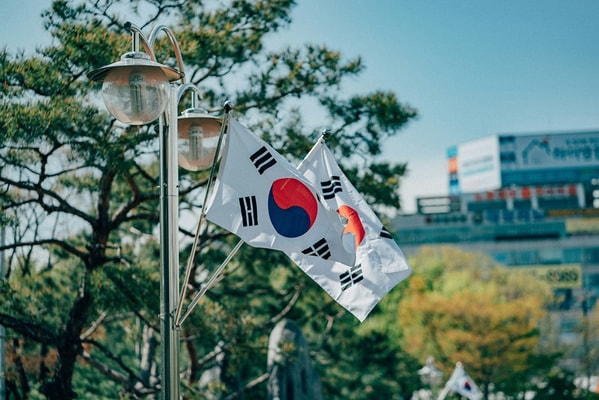
In a world where capital often chases the familiar, South Korea stands out as one of the potentially most overlooked and undervalued markets globally. Long associated with structural inefficiencies, complex corporate governance, and persistent valuation discounts, South Korea has historically been underrepresented in global portfolios. But it seems that things are changing—rapidly.
Today, South Korea offers a rare combination of deep value, structural reforms, and clear catalysts. With the launch of the Value-Up program in 2024 (aimed at increasing the value of listed companies by improving corporate governance and market practices), inspired by the success of the Japanese Stewardship Code, South Korea is embarking on a multi-year path to unlock shareholder value and modernize corporate governance. The parallels with Japan a decade ago are striking, and the opportunities could be even more compelling.
Opportunistic Positioning in South Korea
South Korea attracted our attention due to a combination of political instability, weak corporate governance, and depressed valuations, with a price-to-book ratio of just 0.8x. While we do not pursue a macro strategy, macro thinking helps us identify where to look for ideas and guide our positioning. These macro signals prompted us to dig deeper and ultimately make significant investments.
This exemplifies the essence of our approach: opportunistic, event-driven, and grounded in macroeconomic insight, rigorous fundamental analysis, and disciplined trading structures. It’s what allows us to find value where others often don’t look, across all market cycles.
South Korea: The Next Japan?
We believe that today’s South Korea is where Japan was ten years ago: undervalued, under-researched, and poised for change. In our view, South Korea has emerged as one of the most compelling opportunities in today’s global markets. As of April 2024, nearly 65% of stocks listed on the Korea Composite Stock Price Index (KOSPI) traded below 1x price-to-book, compared with only 6% of the S&P 500. This large discount, often called the “Korea Discount,” is both structural and cyclical and is now being addressed head-on.
In February 2024, South Korea’s Financial Services Commission (FSC) and Korea Exchange (KRX) launched the Value-Up Program, a multi-year initiative inspired by the Japanese Stewardship Code. Its goal: to increase shareholder value and improve corporate governance. Like the Japanese reforms, the program encourages voluntary adoption of governance improvements and long-term value creation targets. The political context is supportive, with strong alignment among parties and high retail investor participation: 15 million shareholders representing 60–70% of annual trading volume.
With Lee Jae-myung newly elected President of South Korea in June 2025 and a likely return to political stability, momentum for reforms is expected to continue. South Korea is still in the early stages of this transformation, but the direction is clear. Opportunities are abundant. South Korea potentially offers a broad universe of complex holdings and deeply discounted structures to invest in. Many holding discounts remain at historically high or near-record levels, likely among the most extreme globally.
For investors seeking deep value with tangible catalysts, South Korea now offers a rare combination of mispricing potential, reform, and revaluation. And we believe this is just the beginning.
As Market-Neutral as Possible
Our objective is to remain as market-neutral and uncorrelated as possible. We aim to achieve this through a combination