Investing in infrastructure

29 AUG, 2024
By Jose Luis Palmer from RankiaPro Europe
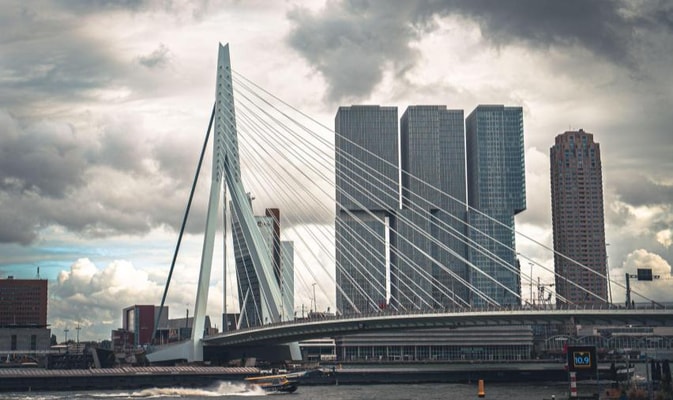


Infrastructure investment provides diversification, stability and long-term growth potential to an investment portfolio.
Infrastructure assets like roads, utilities, and energy grids are essential to the functioning of economies, making them less sensitive to market volatility and being a key element of the development of countries and societies. These investments tend to generate steady, predictable cash flows, often backed by government contracts or regulated rates, which can offer consistent returns even in uncertain times. Additionally, infrastructure investments typically have low correlation with traditional asset classes like stocks and bonds, helping to reduce overall portfolio risk. Their long-term horizon aligns well with sustainable growth and inflation protection.
As we head a monetary easing cycle, infrastructure could benefit from lower interest rates and consequently, lower financing costs. Moreover, European Union's climate goals, AI adoption, sustainable mobility, social developments and climate change, will shape the future of infrastructure investment in Europe over the coming years. Philippe Benaroya, CEO of Infranity, part of the Generali Investments ecosystem, sets the 5 key trends that will drive growth at European Infrastructure investments for the next 5 years:
1. Energy Transition and Decarbonization: The European Union's ambitious climate goals, along with national commitments, will necessitate massive investments in renewable energy generation (wind, solar, hydro), energy storage solutions, grid modernization, and electric vehicle infrastructure.
2. Digital Infrastructure: The increasing demand for data, AI adoption and connectivity, accelerated by remote work and digital services, will fuel investments in fibre-optic networks, 5G infrastructure, datacentres, and other digital assets.
3. Transport Infrastructure: While traditional transport projects remain important, the focus will shift towards sustainable and green mobility, including electric vehicle charging networks, public transportation systems, and infrastructure that supports efficient logistics and supply chains.
4. Social Infrastructure: large and evolving healthcare needs in our societies will drive investments in hospitals, healthcare facilities, and senior living accommodations. Additionally, investments in education infrastructure will be essential for fostering innovation and economic growth.
5. Resilience and Sustainability: The growing awareness of climate risks and social impacts will lead to increased investments in infrastructure that is resilient to extreme weather events, promotes resource efficiency, and supports circular economy principles.
Infrastructure investment can play a crucial role in driving Europe's economic recovery, supporting its climate goals, and enhancing the quality of life for its citizens.