The luxury goods sector is ready to recover, according to Morningstar analysts

24 JUL, 2024
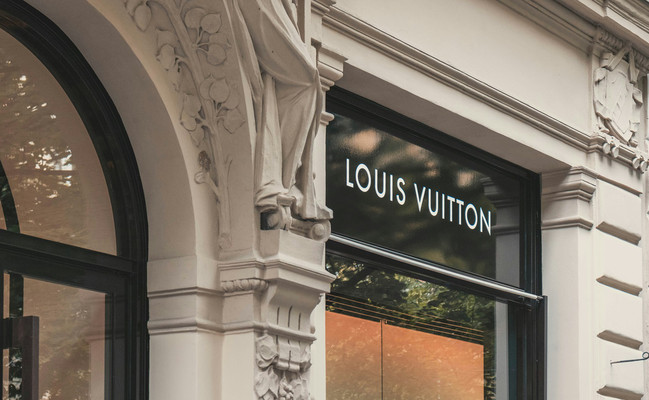


With the growth of the luxury goods industry continuing at a slow pace, Morningstar analysts believe that the sector's stocks are largely valued in line with their fair value, incorporating a more moderate short-term demand, which is unlikely to persist in the long term, as the luxury industry generally recovers quickly from cyclical recessions, as revealed by the latest Morningstar Luxury Pulse.
Luxury stocks seem to be correctly valued, as this year growth has continued to slow down with some weakness in regions such as America, Asia (excluding Japan) and Europe, which has put market valuations under pressure. Historically, luxury cyclical recessions have not lasted more than 1-2 years and recent sales that have affected many quality stocks could represent a buying opportunity. While some sector operators still seem expensive, Jelena Sokolova, Senior Equity Analyst at Morningstar, sees value in Kering, Swatch, Hugo Boss and Burberry.
Second quarter results of 2024
We believe that the strong price increases in the industry in recent years have made goods inaccessible to the most aspirational consumers (those who rarely buy luxury products), already affected by the cost of living crisis. This explains part of the weakening demand. If demand remains weak, we do not see much room for improvement for the industry without significant cost-cutting measures, especially since the profitability of some players is near its peak.
Morningstar Analysts

Good inventory management is increasingly important for luxury players, as excessive discounts and presence in outlets can damage brand perception. Slow growth since mid-2023 has led to slower inventory rotation for most players in the industry.
We believe that the companies best positioned to avoid excessive discounts are those with the greatest control over distribution, which limits the risk of overstock in the wholesale channel, and those with solid balance sheets (like Kering and LVMH) without immediate liquidity needs.
Morningstar Analysts
Slow-moving items can be managed by limiting production until they find a buyer, which helps maintain price integrity but affects cash generation, therefore, it is not available as a tool for weaker companies, in our opinion.
During the first half of this year, marketing spending remained high in the industry and costs were affected by inflation and currency headwinds.
Margins have been under pressure for most players, except Prada, which benefits from a strong brand momentum that drives better sales densities, especially for its smaller brand Miu Miu. Margins were more pressured for brands that need to invest in restructurings in a context of weaker demand, like Kering.