Market expectations for Jackson Hole: yields under pressure

26 AUG, 2026
By Joanna Piwko from RankiaPro Europe
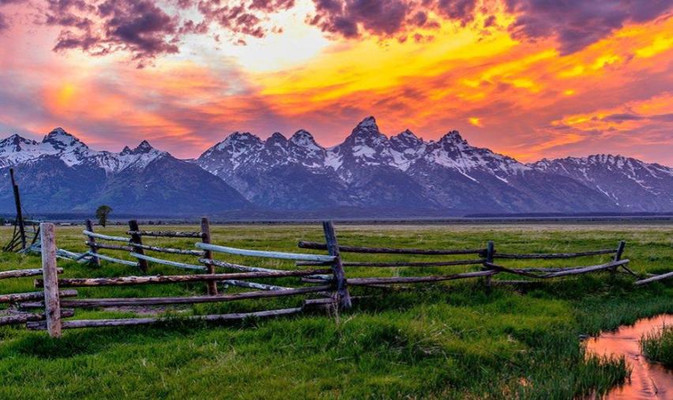


Jackson Hole once again becomes the privileged observation point to understand the next moves of global monetary policy. The symposium, organized every year by the Federal Reserve Bank of Kansas City in Wyoming, brings together central bankers, economists and institutional investors at a time when the long end of the yield curves remains under strong global pressure.
It's not just a matter of monetary policy: governments, companies linked to artificial intelligence and a new president of the Federal Reserve compete for the same capital, while the dollar, gold and risk assets remain under pressure ahead of the event. Operators are waiting for indications both on the direction of rates and on who will be willing to absorb the growing offer of long-term debt.
What to expect from Warsh's speech at Jackson Hole
The Jackson Hole Symposium 2026 will be Kevin Warsh's first intervention as president of the Federal Reserve. David Norris, Portfolio Manager at TwentyFour Asset Management (a Vontobel boutique), recalls that at the FOMC press conference on July 29, Warsh had not yet chosen the setting of the speech: long-term structural themes, or a more traditional approach aimed at preparing markets for moves between September and December.
For Norris, the intervention "must be a high-impact intervention to clarify the Fed's monetary policy objectives". Warsh has already eliminated forward guidance and dot-plot. Michaël Lok, Group CIO and Co-CEO Asset Management at UBP, confirms that the president wants to raise broad issues rather than provide indications, reiterating that the Fed is not bound by market prices.
Why markets are asking for more clarity on September rates
Since the July conference, Treasury yields have risen and the 2-30 year curve has steepened. The market today discounts a probability of a rise in September between 30% and 40%, according to estimates by Lok (UBP) and Norris (TwentyFour AM), against the 82% estimated in mid-July. The FOMC minutes have shown growing impatience for inflation, but no sign of imminent tightening.
It remains to be seen how much Warsh will continue with the quieter Fed philosophy, made up of less forward guidance and, according to rumors, a transition from eight to six annual FOMC meetings. Norris notes that the market, in "following the ball and not the referee", has let control of the game slip away, pushing up long-term rates and the risk premium.
Why long-term yields remain under pressure, between debt and AI
Complicating the picture is a more structural problem. Laura Cooper, Global Investment Strategist and Head of Macro Credit at Nuveen, notes that "rarely have governments needed such a high amount of capital", and they are not the only ones in need. US federal debt has exceeded 40,000 billion dollars, while global public debt has risen to 94% of GDP, with the IMF predicting 100% by 2029.
AI-related issuers have already raised nearly 340 billion dollars on US markets this year, a duration offer that the Federal Reserve Bank of Dallas estimates could reach 360 billion by 2026. Treasury buybacks have offered temporary relief, but for Cooper "they cannot substantially alter the balance between demand and supply".
Weak dollar, gold at highs and selective equity
On the currency front, the US dollar index lost over 1% last week, at the lowest level since May, after the Treasury's decision to expand long-term security buybacks. Lok (UBP) notes that "the dollar should struggle to appreciate in the short term", despite a positive PMI. Gold has reached 4,650 dollars an ounce, with UBP's target of 5,200 dollars for the first quarter of 2027.
On equities, Lok maintains a positive but selective view: "we adopt a selective approach in the current earnings-driven market context, where we expect volatility to persist". The earnings growth expected for MSCI ACWI in 2026 has been revised to +33%, but the price/earnings ratio has dropped from 18.9x to 16.9x; the week will also be marked by the results of Nvidia and any developments in the Middle East.