Open pension funds: strategies to tackle demographic aging

26 FEB, 2025



While Europe is aging more and more rapidly, open pension funds face an epochal challenge: to guarantee adequate returns and financial sustainability in a rapidly evolving demographic context. With life expectancy increasing and the birth rate at historic lows, the European pension systems are under pressure like never before. In this article, experts from BCC Risparmio&Previdenza and Arca Fondi SGR guide us through the strategies that open pension funds are adopting to navigate these turbulent waters.
Maurizio Sansone, Head of Securities Funds, BCC Risparmio&Previdenza
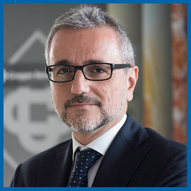
The impact of population aging has significant implications for investment strategies. For pension funds in particular, it is necessary to evaluate the medium-long term effects of demographic dynamics and this evaluation cannot disregard the interaction between these with technological progress and public policies.
In recent decades, the increase in life expectancy and the lower growth of the active population have produced, respectively, an increase in the propensity to save and a lower potential growth, supporting a trend towards decreasing equilibrium rates. This dynamic has been interrupted in recent years by inflationary shocks linked to post-pandemic stimuli and energy costs. Once these shocks are absorbed, this trend is expected to prevail, supporting a relatively high duration of portfolios. In perspective, given the increasing expenses of the pension and welfare system, a context of expanding public deficits like the current one could produce phases of rising rates that should be considered as opportunities to increase bond exposure.
The natural tendency towards the decrease in rates can, however, be questioned, more structurally, by the interaction between population aging and technological progress. Historically, the expected return on investment in human capital increases with the acceleration in technological progress, which leads to investing an increasing share of income in the education of children, while at the same time reducing birth rates. Thanks to this, the growth rates of the economy have fallen less in proportion to the negative impact resulting from population aging. Digital technologies, robotics, and artificial intelligence could increase productivity growth in the next decade, potentially more than offsetting the negative effect of the trend demographic, supporting the stock markets and allowing equilibrium rates not to fall too much, even if this implication, to date, seems to apply more to the United States than to Europe.
Public policies could make the demographic/technological progress interaction more virtuous, promoting the increase in labor force participation and the widest possible access to education. From this point of view, Europe appears better equipped than other areas, but to close the growth gap with the USA and China would require more investment in technology. Ultimately, the adequacy of public policies is reflected both in the strategic choices of geographical allocation and in the sustainability criteria that guide our title selection.
Finally, regardless of the net effect of the dynamics described on the level of rates and economic growth, the opportunities to exploit the trends related to the sectors of AI and health care appear evident.
Massimiliano Lattanzi, Head of Complementary Pension Development; & Matteo Campi, Head of Multiasset and Alternative, Arca Fondi SGR
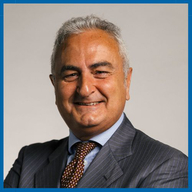
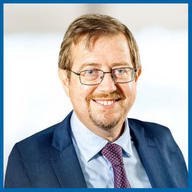
The aging of the population represents one of the most significant challenges of our time, with profound impacts on the economy and society. This phenomenon requires an innovative and strategic approach, especially in the supplementary pension sector, where open pension funds face increasingly complex scenarios. On the one hand, it is essential to guide customers towards informed choices in the selection of investment compartments, starting from the fundamental decision to join a pension scheme. On the other hand, it is necessary to skillfully exploit the opportunities offered by investments in illiquid assets and in the real economy to maximize the return on accumulated resources. Only through the synergy between these two actions can optimal results for members be achieved.
The goal is clear: accumulate sufficient resources to face a longer life expectancy. Italy, with one of the longest-lived populations in the world, is called to respond to this challenge with concrete solutions. Arca Fondi SGR, a market leader in Supplementary Pensions, takes the lead with an approach based on two fundamental directions.
- Increasing awareness of the importance of pensions. In April 2024, Previverso was launched, the first Welfare Action Lab, in collaboration with Talents in Motion. This innovative project involves over 150 professionals including HR Managers, entrepreneurs, unions and experts, with a triple mission: to promote membership in pension funds, encourage more informed financial choices and encourage timely membership, taking advantage of the tax benefits associated with long-term fund membership.
- Adopt a truly diversified investment management. This approach involves the integration of different asset classes and the inclusion of illiquid financial instruments, such as private equity, private debt and infrastructure, which offer unique opportunities and an illiquidity premium. Management is not limited to maximizing financial return: each portfolio, liquid or illiquid, is selected considering environmental and social sustainability criteria. Particular attention is paid to innovative small Italian companies, to generate positive impacts for investors and the economic system.
The results of 2024 confirm the validity of this approach. With over 21,000 new customers (+20% compared to the previous year), the Arca Previdenza fund has achieved significant performance: High Growth 12.16%, Growth 8.21%, Income 5.64% and TFR 4.47%.
In conclusion, the aging of the population is not only a challenge, but an opportunity to rethink the operational model of open pension funds, making them closer to people's needs. Investing today for a serene tomorrow is an act of responsibility and hope to ensure a safe and sustainable future for all of us.