Outlook for silver in 2026: between industrial strength, physical scarcity, and macroeconomic volatility

Updated:
16 SEPT, 2026
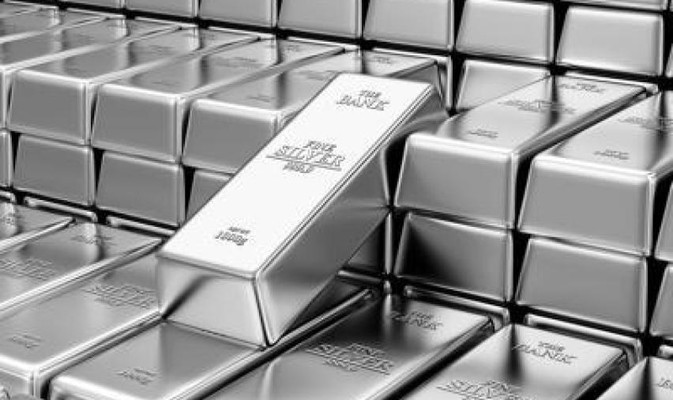


Silver faces 2026 as one of the most complex assets within the universe of commodities. After becoming one of the big stars of 2025, with increases of over 140% and historical highs, the metal has started the year with a strong correction that has returned the market's attention to its two main drivers: its role as a monetary asset and its growing industrial relevance.
The recent volatility does not seem to respond to a structural deterioration of the fundamentals, but to a combination of profit-taking, adjustment of expectations about interest rates, strengthening of the dollar and exit of speculative positions. At the same time, physical demand from Asia, the growth of the photovoltaic sector and supply limitations continue to shape a favorable background scenario for the metal in the medium term.
Outlook for silver in 2026
From Ofi Invest AM, Benjamin Louvet, Director of Commodity Management at the firm, offers a constructive medium-term view built on three pillars: a persistent supply deficit, resilient industrial demand and a growing investment component.
Silver remains supported by a structural market deficit that is expected to extend into 2026, potentially marking the sixth consecutive year of undersupply. While demand from the solar industry may moderate as manufacturers reduce silver intensity and explore substitution with copper, overall industrial demand should remain robust. Combined with constrained mine supply and the prospect of growing investment demand, the medium- to long-term outlook for silver remains constructive, albeit with potentially higher price volatility, says Louvet.
Industrial demand: still robust despite a changing mix
Industrial demand has been one of the key drivers of silver consumption in recent years, reflecting the metal's exceptional electrical conductivity and its widespread use in solar panels and electric vehicles, Louvet notes.
Growth from the photovoltaic sector is expected to slow as manufacturers continue reducing silver loadings per panel and increasingly substitute silver with copper to lower production costs. However, the long-term durability and performance of these newer technologies remain relatively untested, which could limit the pace of substitution.
Even if solar-related demand moderates, other industrial applications should provide support. Rising electric vehicle production could offset part of the slowdown, particularly if geopolitical tensions and higher energy prices encourage governments to accelerate the transition toward low-carbon technologies. Demand linked to digital infrastructure, including data centres and network equipment, also represents a growing source of silver consumption.
Investment demand: an increasingly important driver
Beyond industrial consumption, investment demand remains a key determinant of silver prices. Physical purchases of coins and bars were strong at the beginning of the year before investors took profits as markets began pricing in higher interest rates amid renewed inflation concerns, Louvet explains.
Importantly, this selling pressure appears to have been limited rather than indiscriminate. Investors reduced only part of their positions and largely stopped selling after the initial correction, suggesting that the broader outlook for silver remains positive. This view is supported by ETF holdings, which have been trending higher again since mid-July.
Looking further ahead, investment demand could become an even more powerful driver of silver prices. Debt levels continue to rise across developed economies, leading some investors to question governments' ability to sustainably manage their debt burdens over the long term. Should confidence weaken, capital could increasingly flow away from government bonds and toward real assets, including precious metals such as silver.
Supply remains constrained
On the supply side, the market remains structurally constrained. Global mine production has struggled to achieve meaningful growth and may have already peaked nearly a decade ago, Louvet points out.
In addition, a significant portion of global silver output is produced as a by-product of mining other metals such as copper, lead and zinc. As a result, silver supply cannot be increased rapidly in response to higher prices, limiting the market's ability to address persistent deficits.
Conclusion
Overall, silver benefits from a favourable combination of constrained supply, resilient industrial demand and the potential for stronger investment flows. While demand from the photovoltaic industry may grow at a slower pace than in recent years, other industrial uses and financial investment should continue to support the market, Louvet concludes.
Against a backdrop of persistent deficits and limited supply growth, the medium- to long-term outlook for silver remains positive. However, as financial investors account for an increasing share of demand, price movements are likely to become more volatile, with sentiment-driven flows amplifying both upward and downward market moves.
Discover ETFs to invest in this metal that are achieving good returns in recent months.