What are the favorite books of financial professionals?

28 APR, 2026



As we recently celebrated World Book Day, we asked professionals from the asset management sector about their favorite books. Here’s what they recommend.
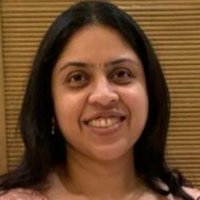
Renu Pothen, Consultant
I have read many books that have influenced my understanding of the importance of maintaining financial discipline, which can lead to happiness and prosperity.However, there is one book that stands out as my favorite on the bookshelf. A few years ago, I had the chance to read "The Richest Man in Babylon" by George S. Clason, which provides useful insights on acquiring wealth as well as on creating and preserving it through sound financial decisions.
This is a very simple and interesting book, free of complex jargon, presented as a collection of stories set in Babylon, considered the richest city in the ancient world. The book provides practical advice on leading a disciplined financial life, starting with saving at least one-tenth of what you earn, controlling your expenditures, and investing wisely. All these principles will ensure that wealth is compounded over the long term, allowing you to enjoy the best things in life and even pass it on to future generations.
This book is an excellent read for investors, as it lays down sound principles of wealth creation that are relevant even today. For wealth managers, who have always been disciplined with their finances and those of their clients, it's reassuring to know that the words of wisdom written in the 1920's are principles you have been following over the years. Additionally, don't forget to gift it as an essential read for our young people who may be unfamiliar with savings and investments. As they delve into the pages of this book, they will gain valuable lessons on managing their money as they begin their financial journey.
I have always been inspired by this quote from the book, which highlights the importance of discipline while handling our finances:
Wealth, like a tree, grows from a tiny seed. The first copper you save is the seed from which your tree of wealth shall grow. The sooner you plant that seed the sooner shall the tree grow. And the more faithfully you nourish and water that tree with consistent savings, the sooner may you bask in contentment beneath its shade.
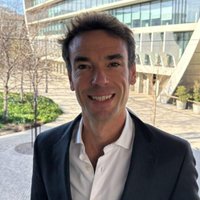
Borja Montero de Espinosa, Responsible for Analysis and Selection of Equity Funds and ETFs, BBVA
I especially like historical novels, highlighting Julia Navarro. Her works "You will not kill" and "Shoot, I'm already dead" allow understanding opposing positions in Spain and Israel/Palestine. Other authors of this genre that I like are Posteguillo and Tarradas Bultó, of which I have read everything. For this occasion, I recommend "Barefoot", by Remei Martínez Paredes, a real story about immigration that stirred me and gave me a new look.

Jesus Borrás, Fund Manager and Selector at CaixaBank AM
It's hard for me to choose a single book, but I'm going to opt for "Homeland", by Fernando Aramburu. It is a novel that completely hooked me when I read it a few years ago and I recently had the opportunity to see the adaptation in series format, which I also found very interesting.
The book focuses on the story of two Basque families, marked by ETA terrorism. It is a historical context that has always attracted me because of its relevance and, especially, its geographical and temporal proximity. Also, I think it is an uncomfortable topic, but one that should be revisited from time to time. And even more so, considering the political polarization we see today.
Regardless of the content, I remember that from a formal point of view I was very struck by the author's style when addressing the story. The narration from the perspective of several characters is a resource that he exploits very well to get the reader fully involved. And the fact of resorting to short chapters makes the reading very agile, reinforcing the desire to continue and continue reading.
In short, I think it is a highly recommended novel for those who have not had the opportunity to read it so far. In my case, I do not rule out taking advantage of the momentum after watching the series to pick up the book from the shelf and enjoy it again.