Maxime Carmignac
CEO Carmignac UK


8 MAR, 2025
By Jose Luis Palmer from RankiaPro Europe
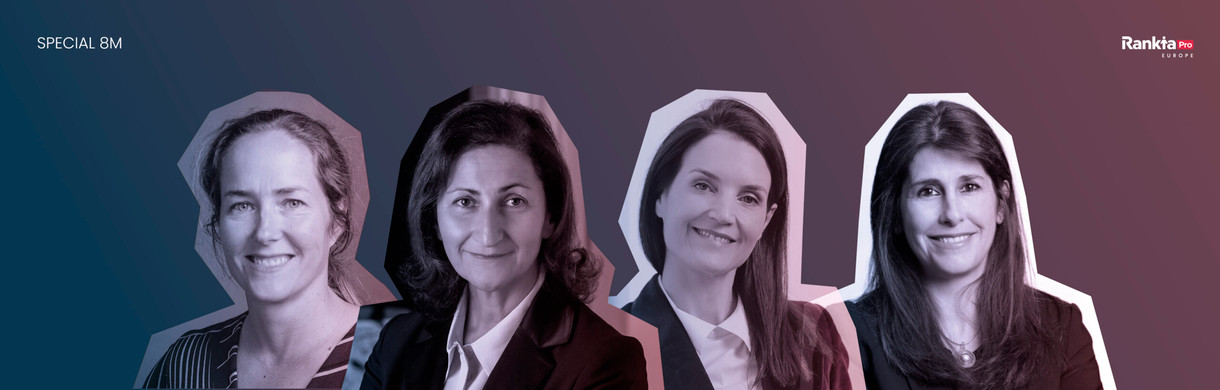


For decades, the financial sector was perceived as a predominantly male environment. However, in recent years, something is changing. More and more women are emerging as leaders, contributing new perspectives, strategic skills and leadership capable of generating value and innovation. But the path to real equality is still uphill.
On the occasion of International Women's Day, we collected the testimonies of four leading female professionals in the industry: Maxime Carmignac, Anna von Hahn, Begoña Berenguer and Rose Ouahba. Through their experiences and reflections, we explore the role of women in the financial and fund industry, the progress made and the challenges still to be met to build a more inclusive and meritocratic future.
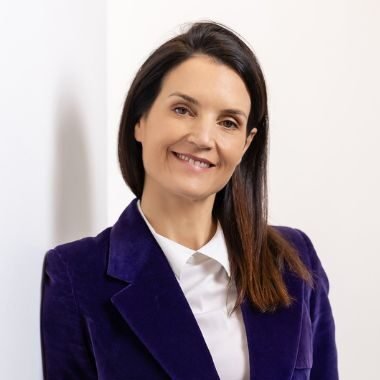
CEO Carmignac UK
When I started in the investment industry, I was often the only woman at work events. I previously worked at M&S, which was similar. I even took part in a bus tour of Texas in 2010, where I was the only woman among 180 attendees. Now things are different. In Carmignac's management team, for example, half are women. Across the industry, there is still room for improvement, but there are many initiatives designed to support women and I think they are starting to bear fruit.
I have always been fascinated by competition and numbers. After learning about a hostile takeover bid in business school, I was hooked. In this job, the subject matter is constantly evolving, but it is very analytical. I thrive in that environment because it allows me to focus on the long term and I am constantly learning.
I think it is a mistake to think that asset management is not attractive to women. On the contrary, I think now is an excellent time for women to consider a career in investment. There are many opportunities and job performance is evaluated on the basis of facts, which encourages meritocracy. In addition, I believe that work and family life can be well balanced in general. I would also encourage women to explore coaching as they progress in their career, especially when they face a challenge, such as taking on more responsibility for a promotion or returning to work after maternity leave. When we learn a sport or a skill, we have a coach, so why not for our career!
It is great that diversity in the financial services sector is being addressed, but I think the ‘elephant in the room’ is women as late investors. Most early investors are men, while many women invest late, losing years of capitalisation. I would like to see the industry focus on this injustice. They could do so as more and more wealth passes into the hands of women. As Gloria Steinem said, we won't solve the masculinity of power until we solve the feminisation of wealth!
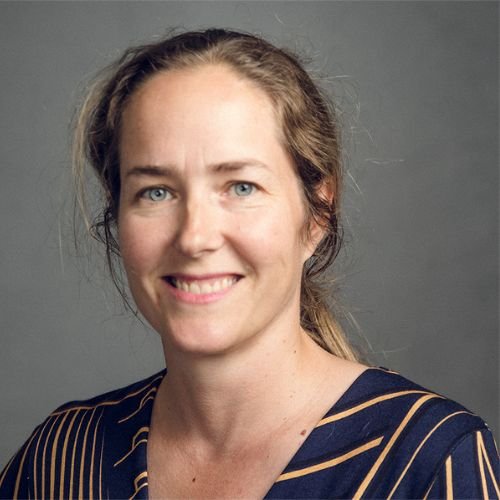
Head of Marketing and Investor Relations

My journey into finance was anything but typical. After 15 years in book publishing, I made the leap into the financial world—a shift that quickly revealed stark gender disparities between industries. For over a decade, I attended the Frankfurt Book Fair, where, based on my own observations, women seemed to make up around 80% of people working there. Now, instead of strolling through the book fair, I find myself traveling just 70 kilometers further to a finance fair in Mannheim, where the ratio appears exactly reversed. The contrast made me question why finance remains so male-dominated and what can be done to change that.
For generations, women have been underrepresented in finance. Girls are less frequently introduced to financial topics, and societal expectations continue to influence career choices. Many women gravitate toward creative (often less well paid) industries, possibly not only out of preference but also due to ingrained perceptions that men should be the primary earners. Meanwhile, men face pressure to pursue high-paying roles, reinforcing a gender imbalance in finance and investment.
A bias within the industry might be compounding this disparity. A 2021 CFA Institute study found that over three-quarters of women in investment believe the field is biased toward men, particularly in recruitment, promotions, and workplace culture. Addressing this requires systemic change, starting with early financial education. All schools should introduce finance and investment topics to both boys and girls, and women in the industry should be visible role models to inspire the next generation.
Even within finance, women are more commonly found in marketing and client relations rather than investment roles, further limiting women’s influence in financial decision-making. Yet, research shows that diverse teams make better decisions. Studies indicate that investment teams in the top quartile of gender diversity outperform those in the bottom quartile by 45 basis points annually. Despite this, only 12.5% of global fund managers are women, a figure that has barely changed in the past decade.
I have observed that women in finance tend to question themselves more, which can sometimes be seen as a lack of confidence. However, I believe, in investing, this self-reflection is an asset—it encourages deeper analysis, continuous reassessment, and a more balanced approach to risk. I have seen cases where overconfidence led to emotional attachment to an investment thesis, preventing rational decision-making. Encouraging diversity in investment teams fosters a broader range of perspectives, better risk management, and ultimately stronger performance.
At MCP, we are fortunate to have a 50/50 gender split within the team, and in my experience, this dynamic works exceptionally well. Yet, challenges persist—women still bear more childcare responsibilities, impacting career progression. While outsourcing is an option, many prefer to be present, particularly as children face growing digital distractions.
The COVID-19 pandemic briefly reshaped workplace dynamics, providing more flexibility. However, the recent push back to office-based work risks reversing this progress, making it harder for women to balance work and family. Companies that embrace flexibility will retain more skilled professionals, fostering a more diverse and resilient workforce.
Progress has certainly been made, but there’s still a long way to go. In some parts of the world, we’re even seeing signs that gender equality could be slipping backward. I truly hope that’s not the case—for the sake of my daughter and her generation. The future of finance will be stronger, more innovative, and more resilient with women fully included.
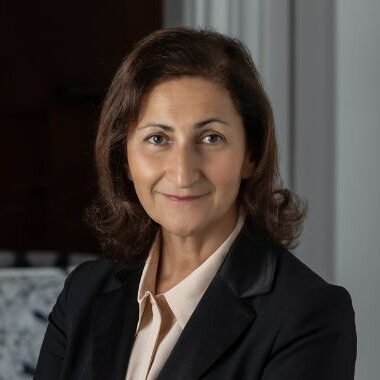
Managing Director
When I interviewed for my first job, I was literally told that the hiring manager was looking for a man! This makes me smile now, and I measure how laws, initiatives and education - for everyone - make these kinds of conversations obsolete. The industry today is much more meritocratic and women are judged on their skills and not their looks.
I love a challenge, and in this industry there are plenty of them! As a portfolio manager, I was keen to focus on my fund. As a team leader, I fought to build a strong brand in fixed income. Now, as Managing Director, in a fast-moving industry of consolidation that divides the world between asset gatherer and ‘asset’ manager, it is clear that we want to offer the best investment solutions to our client, in the face of the low cost / passive trend. We need to innovate and think creatively to meet this challenge. I find it stimulating.
Take advantage of the benefits of this industry and don't let social pressure hold you back. There are many opportunities for ambitious, hard-working women to build a fulfilling and well-paid career. This will not only allow you to have great job satisfaction, but also to achieve financial independence. Despite the progress that has been made, I still hear women talk about the guilt of choosing work over home, or vice versa. The world of work has changed a lot and in asset management we no longer have to ‘choose’.
The gender gap in investment remains a significant and under-recognised problem. Collectively, we need to find ways to help educate women about investment and develop products that meet their needs. It is not a zero-sum game. If more women invest, it does not ‘hurt’ men. But it will help more women become financially empowered and it is a great opportunity for the financial services industry to expand its customer base.
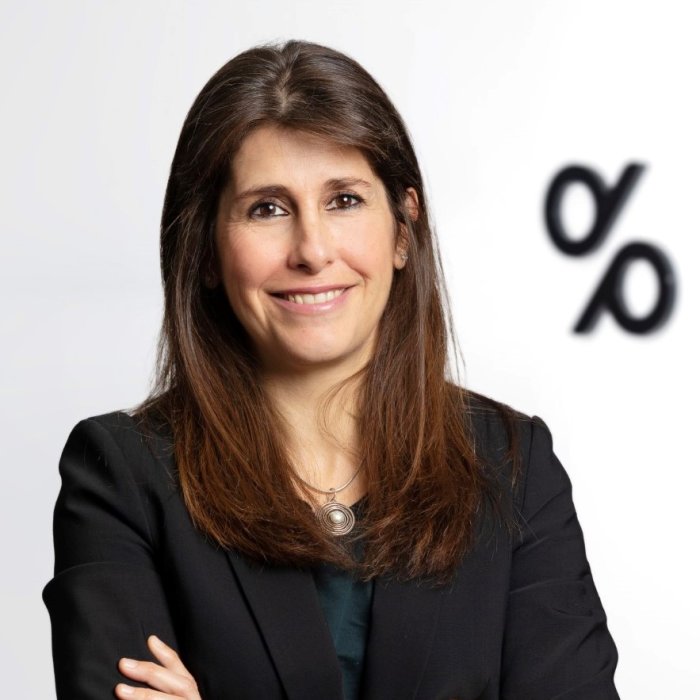
Conseiller de Direction - Private Banking

Gender inequality is a reality. We are increasingly aware of this, and the subject is receiving particular attention, particularly in the professional environment. But changing mentalities and breaking the mold takes time.
The fight for gender equality is a subject that more and more companies are taking up, including Indosuez Wealth Management, which is implementing numerous initiatives to promote it.
In fact, more than 43% of Indosuez's management bodies are made up of women, a strong indicator of the bank's commitment to gender equality. This significant representation offers an inspiring model for women starting their careers and aspiring to reach positions of responsibility.
Indosuez also supports women in their professional careers by offering them specific resources and opportunities. This is the promise of the ‘Tremplin’ program: to provide women with mentoring sessions, skills development workshops and leadership training to help them progress in their careers, overcome obstacles and achieve their professional goals.
A first step towards a rebalancing of parental roles has also been taken with the extension of paternity leave in all entities of the Crédit Agricole group, thus contributing to the reduction of gender inequalities.
Indosuez is also committed, through the work of its Foundations, to the protection of vulnerable women. In 2024, five impact projects were carried out to protect the rights of the most vulnerable women, whether through integration, accommodation or microcredit projects.
In Luxembourg, Indosuez has implemented numerous initiatives and signed the ‘Women in Finance’ charter of the Ministry of Finance to promote diversity, equality, and inclusion in the banking sector. The proactive actions of the Indosuez Group are recognized in the industry, with several awards presented by professionals in Europe, Asia, and Switzerland.
I began my career in banking at the age of 22, over 30 years ago. I was fortunate to join a young executive program where, at the time, I did not perceive any gender-based differences in treatment.
I am convinced that gender diversity in senior management benefits everyone, as men and women tend to approach challenges differently. Combining both perspectives enriches decision-making.
Today, we are seeing more female professionals stepping into leadership roles in the financial sector. However, major changes are never easy and take time. I remain optimistic that progress will continue. Inclusion initiatives and corporate policy adjustments, such as those implemented at Indosuez, are playing a crucial role in driving this progress. That is also why I am happy that Degroof Petercam has joined the Indosuez group.
We must continue working to ensure equal opportunities regardless of gender.