What is the situation of cocoa in 2026?

Updated:
13 MAY, 2026
By Joanna Piwko from RankiaPro Europe
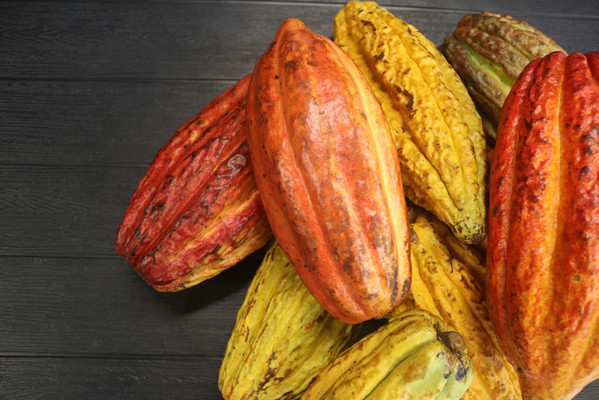


The cocoa industry has reached a turning point between 2024 and 2026, entering a new phase defined less by isolated shocks and more by structurally higher volatility. While global cocoa demand has historically grown between 2% and 5% annually, supported by rising consumption in emerging markets and premium chocolate segments, the sector is now increasingly shaped by climate instability, aging plantations, crop diseases, and shifting consumption patterns.
The key shift is clear: volatility has become a structural feature of the cocoa market rather than an anomaly.
Supply shock and partial rebalancing
The 2024–2025 period was marked by a severe supply crisis. Poor harvests in Ivory Coast and Ghana were driven by droughts, irregular rainfall, and plant diseases, sharply reducing global availability. Together, these countries account for the majority of global cocoa production, making West African weather conditions systemically important for global prices.
According to the International Cocoa Organization (ICCO), global production fell significantly during the 2023/24 season, while inventories dropped to critically low levels after multiple consecutive years of deficits. Climate variability became a structural risk factor, reducing predictability across the supply chain and embedding a persistent risk premium in prices.
By early 2026, the market began to rebalance. In its revised estimates (ICCO Quarterly Bulletin of Cocoa Statistics, Issue No. 1 – Volume LII, Cocoa Year 2025/26, February 2026, Abidjan, Côte d’Ivoire), the ICCO reported that global production for 2024/25 reached 4.728 million tonnes, while grindings stood at 4.606 million tonnes, resulting in a supply surplus of 75,000 tonnes. End-of-season stocks rose to 1.347 million tonnes, with the stocks-to-grindings ratio increasing to 29.2%, signalling a gradual easing of the extreme tightness seen in previous years.
However, West African supply conditions remain fragile. In May 2026, farmers in Ivory Coast reported uneven and below-average rainfall across key cocoa-growing regions during the critical mid-crop period, raising concerns about yields and bean quality. These developments reinforce that climate variability remains one of the main structural risks for global supply stability.
Prices: from record highs to correction and renewed volatility
Cocoa prices surged to historic levels during 2024 and early 2025, with futures briefly reaching around US$13,000 per tonne during the peak of the supply crisis. The rally reflected extreme shortages, low inventories, and weather disruptions across West Africa.
However, in 2026 the market entered a sharp correction phase as supply expectations improved and demand weakened. According to the World Bank, cocoa prices fell by more than 30% in early 2026, reflecting both improved supply prospects and weaker global consumption.
| Commodity | Unit | Apr–Jun 2025 | Jul–Sep 2025 | Oct–Dec 2025 | Jan–Mar 2026 | February 2026 | March 2026 | April 2026 |
|---|---|---|---|---|---|---|---|---|
| Cocoa | $/kg | 8.51 | 7.33 | 5.78 | 3.93 | 3.59 | 3.24 | 3.40 |
A key driver has been demand destruction, meaning consumers and manufacturers reduced cocoa usage in response to high prices. Chocolate producers responded with reformulations, smaller product sizes, and substitution of cocoa butter with alternative fats. European cocoa grindings fell by nearly 8% year-on-year in early 2026, reaching one of the weakest starts to a year since 2009, according to industry data reported by Bloomberg.
Despite the broader correction, prices remain highly sensitive. In May 2026, cocoa futures rebounded sharply above US$4,000 per tonne, reaching a three-month high as investors reassessed weather risks in West Africa and repositioned accordingly. This movement was highlighted in market reporting by the Wall Street Journal, which noted that cocoa prices surged over 15% in a short period as investors adjusted expectations, even as analysts cautioned that prices were unlikely to return to the extreme highs seen in 2025.
The scale of the price cycle remains significant: from peaks near US$13,000 per tonne to a sharp correction toward the mid-$4,000 range in less than two years. This rapid reversal underscores how quickly sentiment in agricultural commodities can shift when supply expectations change.
Overall, the correction reflects the unwinding of extreme risk premiums rather than a return to stability. Cocoa prices are now expected to remain highly volatile, trading within a broad range rather than following a sustained trend.
Structural constraints and climate exposure
Beyond short-term cycles, the cocoa sector continues to face deep structural constraints. Many plantations in West Africa are old and underproductive, while farmers often lack access to financing for replanting, irrigation, and modernization.
External factors such as currency fluctuations, trade policy shifts, and logistics bottlenecks continue to add further uncertainty to global pricing and supply chains.
Climate risk remains central. Meteorological agencies have increased the probability of a potential El Niño event in 2026, which could disrupt rainfall patterns across both West Africa and Latin America. Such developments would likely reintroduce supply pressure even in a partially rebalanced market.
Diversification and changing production geography
The recent supply crisis has accelerated efforts to diversify cocoa production beyond Ivory Coast and Ghana. Nigeria has expanded output, while Brazil, Ecuador, and Indonesia have increased investment in productivity, irrigation, and agroforestry systems.
Latin America in particular has strengthened its role in global supply. Ecuador has significantly expanded production, while Colombia and Brazil have improved yields and infrastructure. However, the 2026 price correction has begun to pressure producer margins in the region, especially as input costs such as fertilizers and energy remain elevated.
Sustainability and supply chain pressure
The industry is also under growing pressure to improve traceability and sustainability standards. Demand for certification systems has increased, particularly in relation to deforestation monitoring and labor practices.
Traceability systems are increasingly used to verify origin and production conditions, while certification frameworks help define environmental and social standards across the supply chain. In a more volatile market, these mechanisms have become both a compliance requirement and a competitive factor for exporters and manufacturers.
A market in transition
The cocoa market is transitioning from a period of acute shortage to a more complex environment defined by partial supply recovery, weakening demand, and persistent structural uncertainty.
The extreme scarcity that drove record prices in 2024 and 2025 has eased, but stability has not returned. Instead, the market is now shaped by overlapping forces: climate volatility, structural supply constraints, demand adjustment, and macroeconomic pressures.
Even as inventories rebuild, recent weather disruptions in West Africa and the possibility of further climate shocks demonstrate that cocoa remains highly exposed to external factors. The result is not a return to equilibrium, but the emergence of a new regime defined by persistent and multi-layered volatility.
This article is for informational purposes only and does not constitute financial advice.