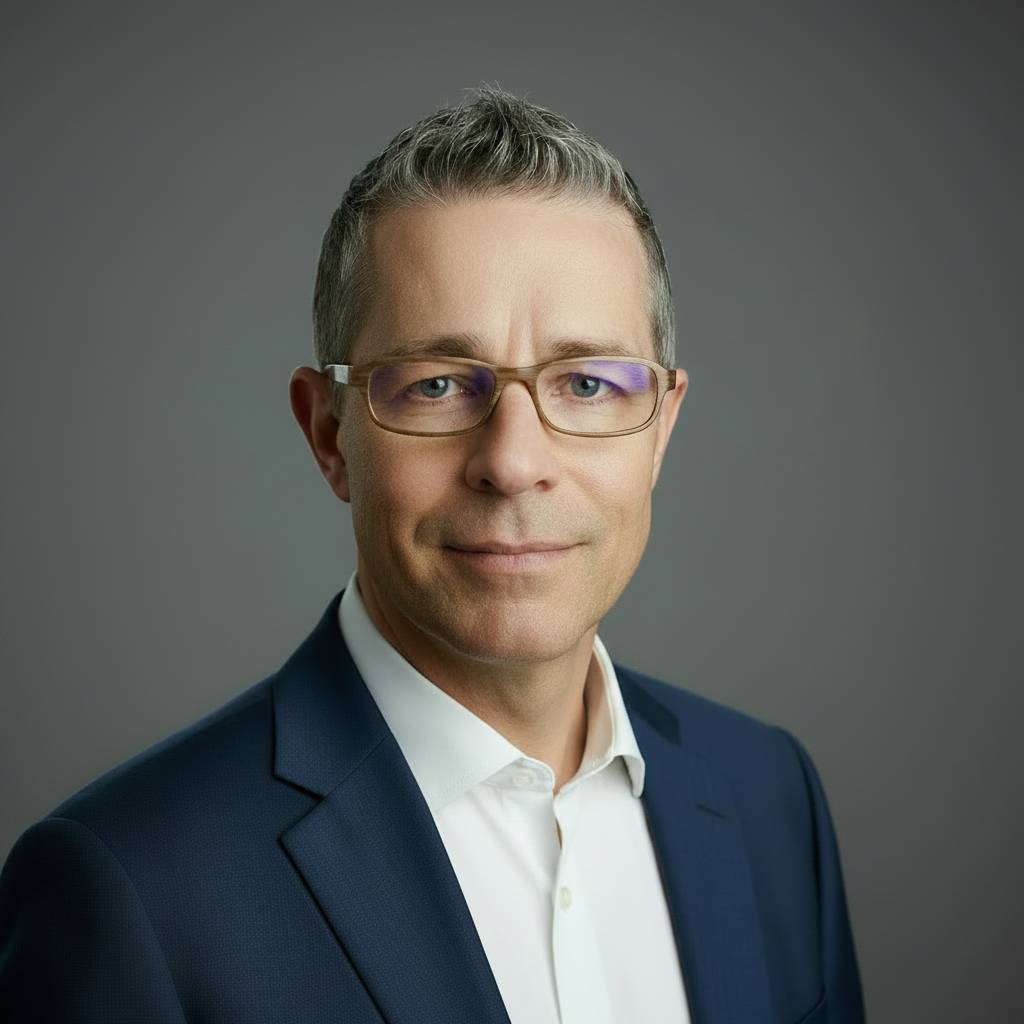
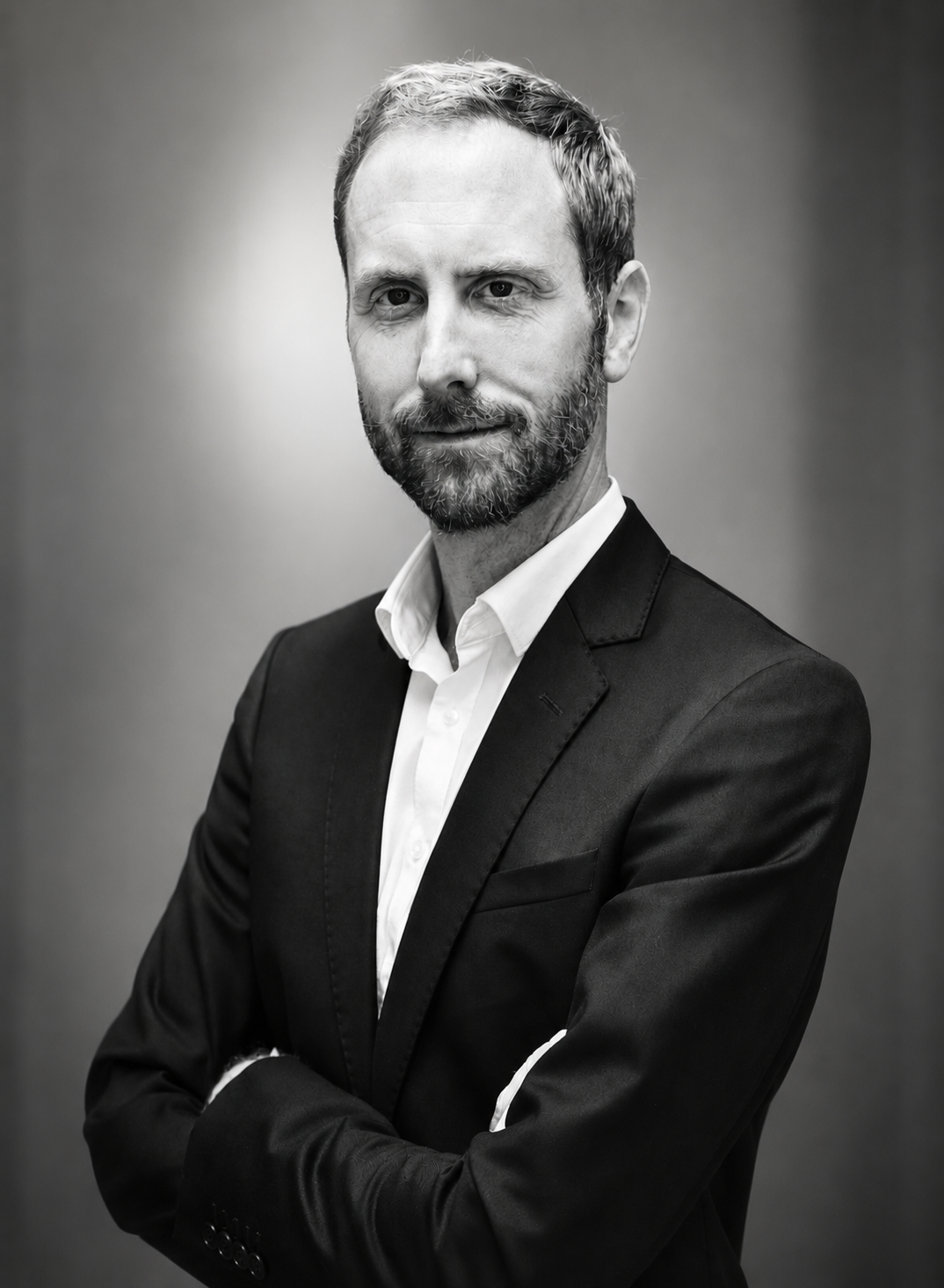
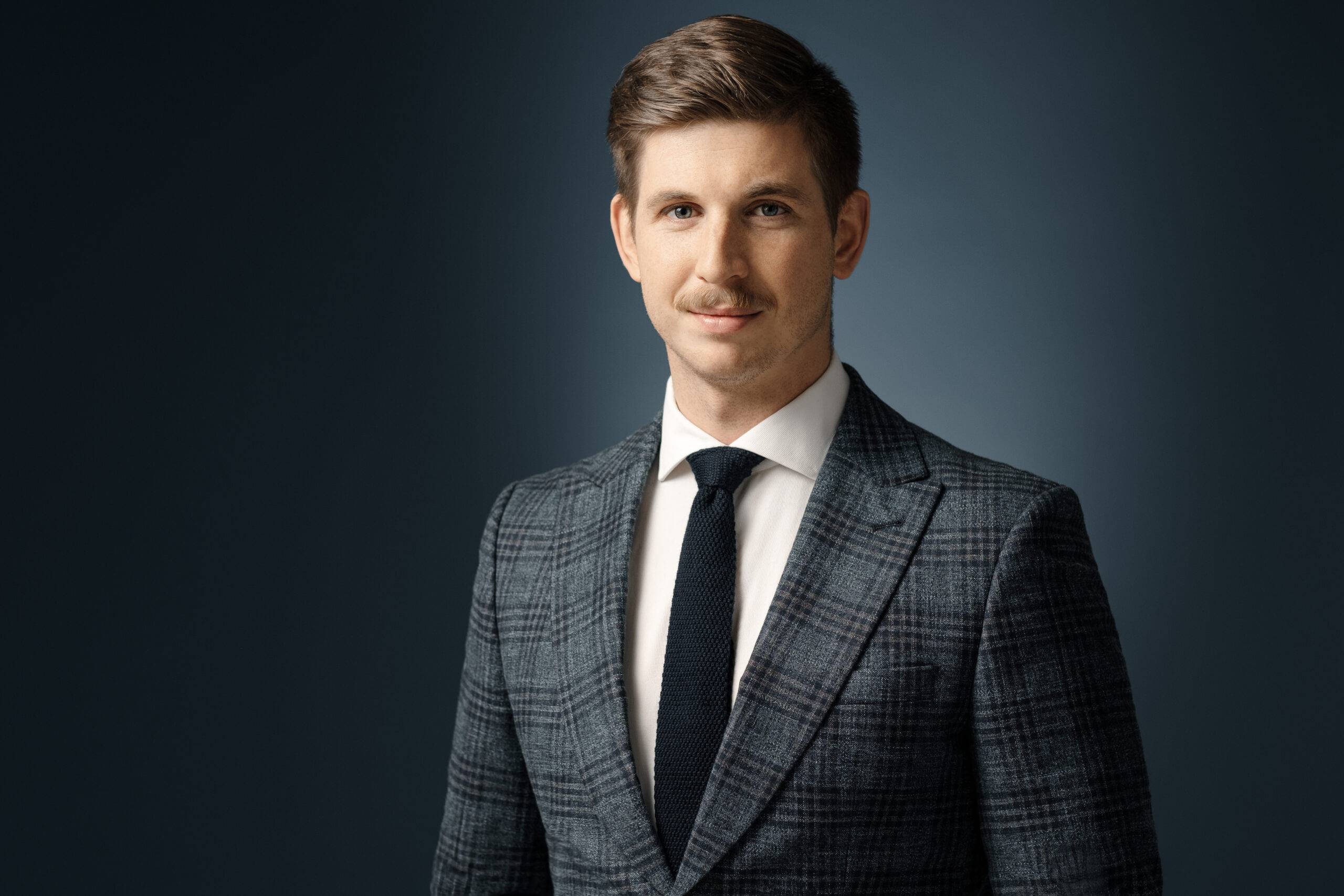
Ilan Sadoun from Caspa Family Office is our Advisor of the Month

16 APR, 2025
By Jose Luis Palmer from RankiaPro Europe


Ilan Sadoun is the founder and Chief Executive Officer of Caspa Family Office, established in 2006. He leads the firm’s investment and family office services, delivering tailored solutions to clients. Previously, Ilan served as Senior Vice President at Edmond de Rothschild Portfolio Management, specializing in bespoke financial strategies for high-net-worth individuals, businesses, families, and institutional clients.
His diverse economic experience includes roles in banking, business expansion planning, recovery strategies, lecturing, company analysis, and overseeing tender processes. He holds a BA and an EMBA from Tel Aviv University’s Recanati program and is a licensed portfolio manager in Israel. He also completed the Wharton-Recanati Global Consulting Practicum program.
Beyond his professional achievements, Ilan contributes voluntarily as a mentor at the Benjamin de Rothschild Ambassador Organization and leads business processes in Tel Aviv University’s Recanati Executive MBA Program. He also serves as a board member of the Friends Association of Tel Aviv University.
Why did you choose to go into financial advice? Did you have other vocations? How were your first steps in the financial sector?
I didn’t intentionally choose financial advice as a specialty. My journey began as a management cadet at one of Israel’s largest banks, where I noticed a significant lack of sound, reliable advice offered to clients. That realization planted the seeds for my mission—to provide exceptional guidance and service to everyone.
How do you see the current macroeconomic environment? Which macro data do you look at most when advising your clients?
The global macroeconomic outlook for 2025 reflects diverse regional trends, with steady growth projected at 3.3%, yet risks persist. Inflationary pressures complicate monetary policies, advanced economies face modest growth, and emerging markets, especially in Asia, display resilience. Key factors such as geopolitical tensions, trade uncertainties, and structural reforms continue to shape the economic landscape. Liquidity remains the most critical data point for informed client advice.
How should investors orient their portfolios for 2025? What will be the biggest challenges and opportunities?
Navigating 2025’s economic challenges calls for a balanced, diversified portfolio approach:
- Diversify across equities, bonds, real estate, and alternative investments.
- Defensive sectors, such as healthcare and consumer staples, offer stability.
- Explore private equity, private credit, and real estate development opportunities.
- Dividend-paying stocks provide consistent income amid volatility.
- Emerging markets, particularly in Asia, show promising growth potential.
- Fixed-income instruments gain appeal as interest rates stabilize.
- Geopolitical tensions require flexibility and liquidity.
What characteristics do you think a good financial advisor should have?
Outstanding financial advisors combine technical proficiency with interpersonal finesse:
- Strong analytical skills to interpret complex data.
- Clear communication to simplify financial concepts.
- Empathy and active listening to understand client goals.
- Integrity and honesty to build trust.
- Adaptability to navigate ever-changing financial landscapes.
- Creative problem-solving for tailored solutions.
- Goal-oriented planning to achieve client objectives.
- Commitment to continuous learning and market awareness.
Which portfolio allocations are most interesting in the current market situation? Which sector do you consider particularly interesting at the moment?
Strategic portfolio allocations and sector preferences shape 2025’s investment landscape:
- Equities: Growth stocks in tech and healthcare dominate, alongside dividend-yielding options.
- Fixed income: Bonds and semi-liquid private debt gain popularity for reduced risk.
- Alternative investments: Private equity, real estate, and infrastructure offer diversification.
- Cash reserves: Liquidity is vital to seize emerging opportunities.
- Attractive sectors: Technology (AI, cybersecurity, cloud computing), healthcare (biotech, personalized medicine), and consumer staples show strong demand.
What does a typical workday look like for you? How do you organize your time?
A financial advisor’s typical day blends analysis, strategy, and engagement:
- Stay updated on market trends impacting client portfolios.
- Evaluate client accounts and investment strategies.
- Conduct client meetings to align financial goals and portfolio reviews.
- Provide guidance on investments, tax, retirement, and estate planning.
- Collaborate with tax consultants and estate lawyers as needed.
What role do you think regulation plays or should play in driving Socially Responsible Investment?
Regulations are pivotal in advancing socially responsible investments (SRI). They define clear ESG criteria, mandate disclosures, and incentivize ethical practices through tax benefits. This fosters sustainable, impactful investment opportunities.
What do you like to do in your free time?
Beyond work, I enjoy volleyball and mentoring students from low-income backgrounds, helping them secure scholarships for academic success.