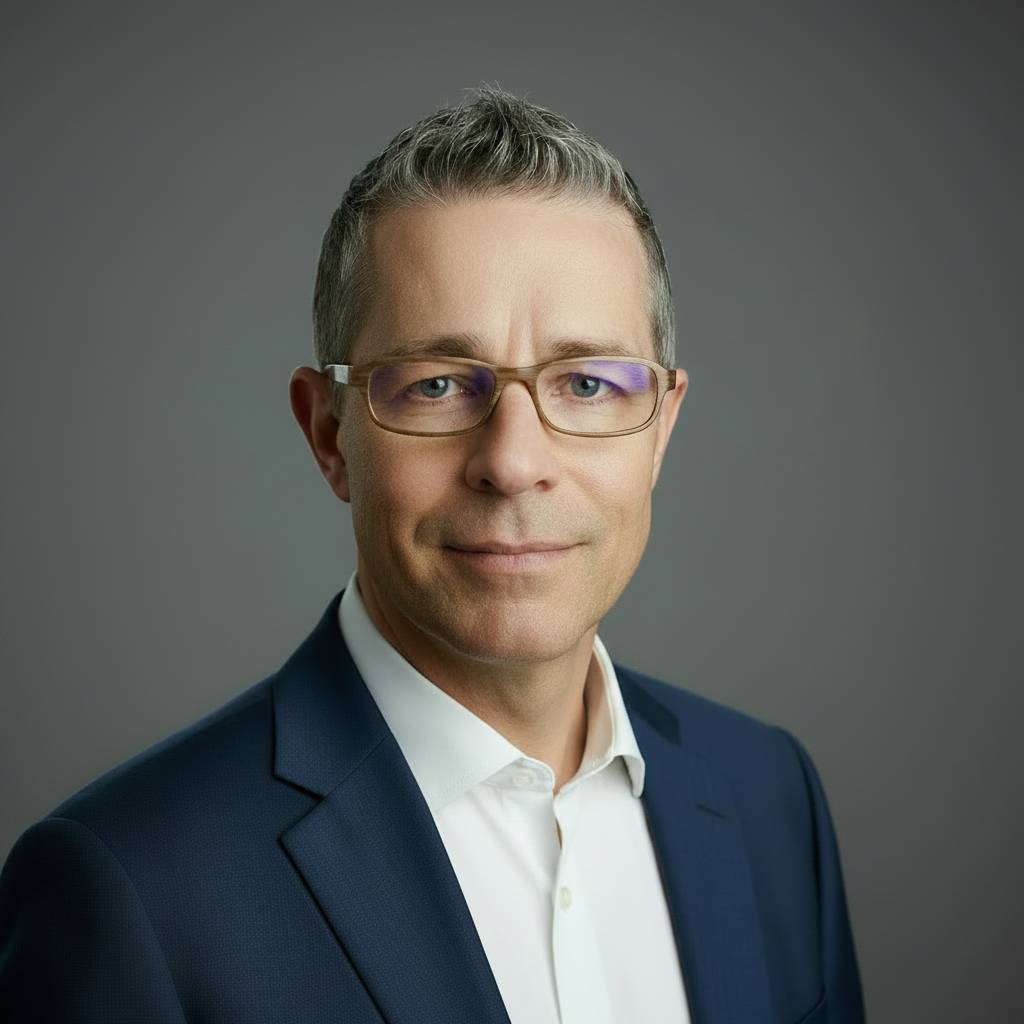
Yohann Derbyshire from Carat Capital & Hedon Family Office is our Advisor of the Month

12 MAR, 2025
By Jose Luis Palmer from RankiaPro Europe


Yohann Derbyshire developed a strong passion for investment and its role in society. He built a solid academic foundation by obtaining the CFA certification early in his career, which he began at Société Générale Private Banking as an Investment Advisor.
In 2020, he joined Carat Capital and Hedon Family Office as Head of Investments, where he plays a key role in managing and optimizing investment strategies.
Alongside this role, he became in 2023 a lecturer in Market Finance at Université Paris II Panthéon-Assas, sharing his expertise and passion for financial markets with students in the Master’s program in Private and Professional Wealth Management.
What truly drives him is the opportunity to support individuals, learn from their professional and personal journeys, and guide them in their financial education. He is committed to helping them make informed and thoughtful financial decisions, working alongside his colleagues to provide tailored advice and long-term strategic guidance.
Why did you choose to go into financial advice? Did you have other vocations? How were your first steps in the financial sector?
I was drawn to financial advice because it combines analytical skills with human interactions. Helping people make informed financial decisions and grow their wealth is something I find highly fulfilling. Moreover, I find financial markets deeply interconnected with various subjects, making them both highly fascinating and complex.
My first steps in the sector were at Société Générale Private Banking, where I developed my expertise in investment management and financial strategy.
How do you see the current macroeconomic environment? Which macro data do you look at most when advising your clients?
The macroeconomic environment is still uncertain, but inflation is gradually easing, and central banks are starting to adjust their policies. I closely monitor interest rates, inflation trends, economic growth indicators, and credit spreads, as they significantly impact asset valuations and portfolio positioning. Moreover, each quarter, we conduct an in-depth analysis of major companies' financial results to identify key signals from the markets.
How should investors orient their portfolios for 2025? What will be the biggest challenges and opportunities?
Investors should seek diversification and balance between equities, fixed income, and alternative assets. Investment-grade bonds with longer duration offer an attractive risk-reward profile, while equities, despite volatility, remain key for long-term growth. The biggest challenge will be navigating higher volatility, while the main opportunity lies in sectors benefiting from lower rates and structural growth trends. Given the high volatility expected in 2025, the resurgence of alternative investments, such as hedge funds, should be closely examined.
What characteristics do you think a good financial advisor should have?
A good financial advisor must excel in financial education, adapting their approach to each client’s level of understanding to ensure informed decision-making. They need to demonstrate calm and reassurance, especially in volatile markets, while maintaining a global perspective to anticipate long-term trends. Additionally, a strong professional network is essential, allowing access to a wide range of experts to provide the most relevant insights and opportunities.
Which portfolio allocations are most interesting in the current market situation? Which sector do you consider particularly interesting at the moment?
Currently, I find investment-grade bonds with a duration of 5-7 years particularly compelling in EUR. In equities, quality companies in technology in times of volatility offer strong long-term potential.
What does a typical workday look like for you? How do you organize your time?
My day is structured around market analysis, client meetings, and portfolio reviews. I also dedicate time to training the team on subjects related to financial markets and products.
I use time blocking to organize my day. I block out specific times for market analysis, client interactions, and portfolio management. The remainder of the day is allocated to team training, working on client-facing articles, and engaging with asset management firms. I also set aside moments to reflect and adjust my priorities to ensure I’m working on the most important tasks depending on the needs of the team.
What role do you think regulation plays or should play in driving Socially Responsible Investment?
Regulation plays a crucial role in ensuring transparency and credibility in ESG investing. While it should promote responsible practices, it must avoid imposing excessive constraints on investors, allowing room for flexibility and innovation. Furthermore, regulations should be practical and developed in collaboration with investment experts, rather than solely shaped by political perspectives that may not be applicable or usable by professionals in the field.
What do you like to do in your free time?
In my free time, I enjoy walking my dog, exploring art exhibitions, taking run in the forest, and cooking. These activities help me unwind.