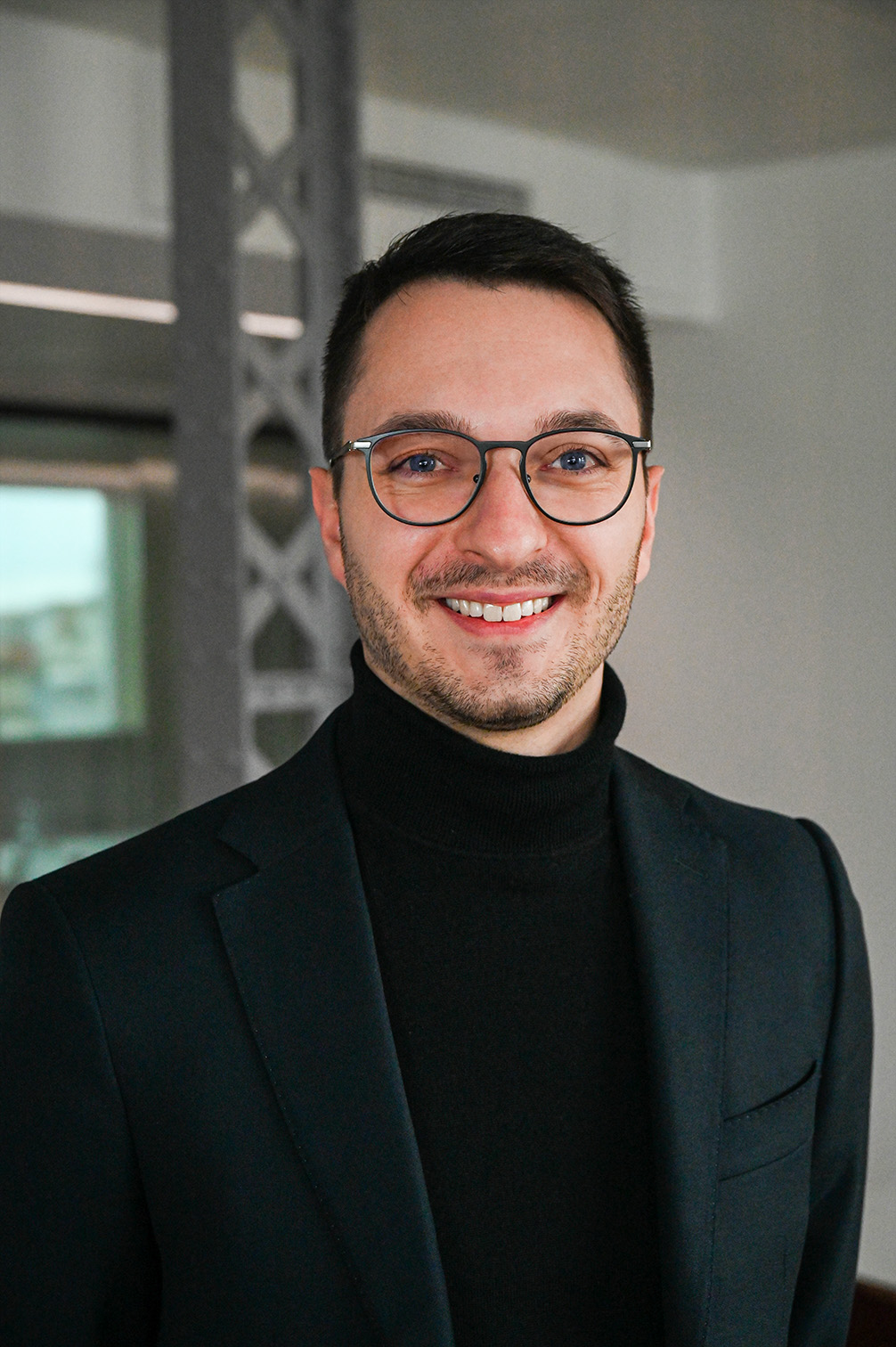
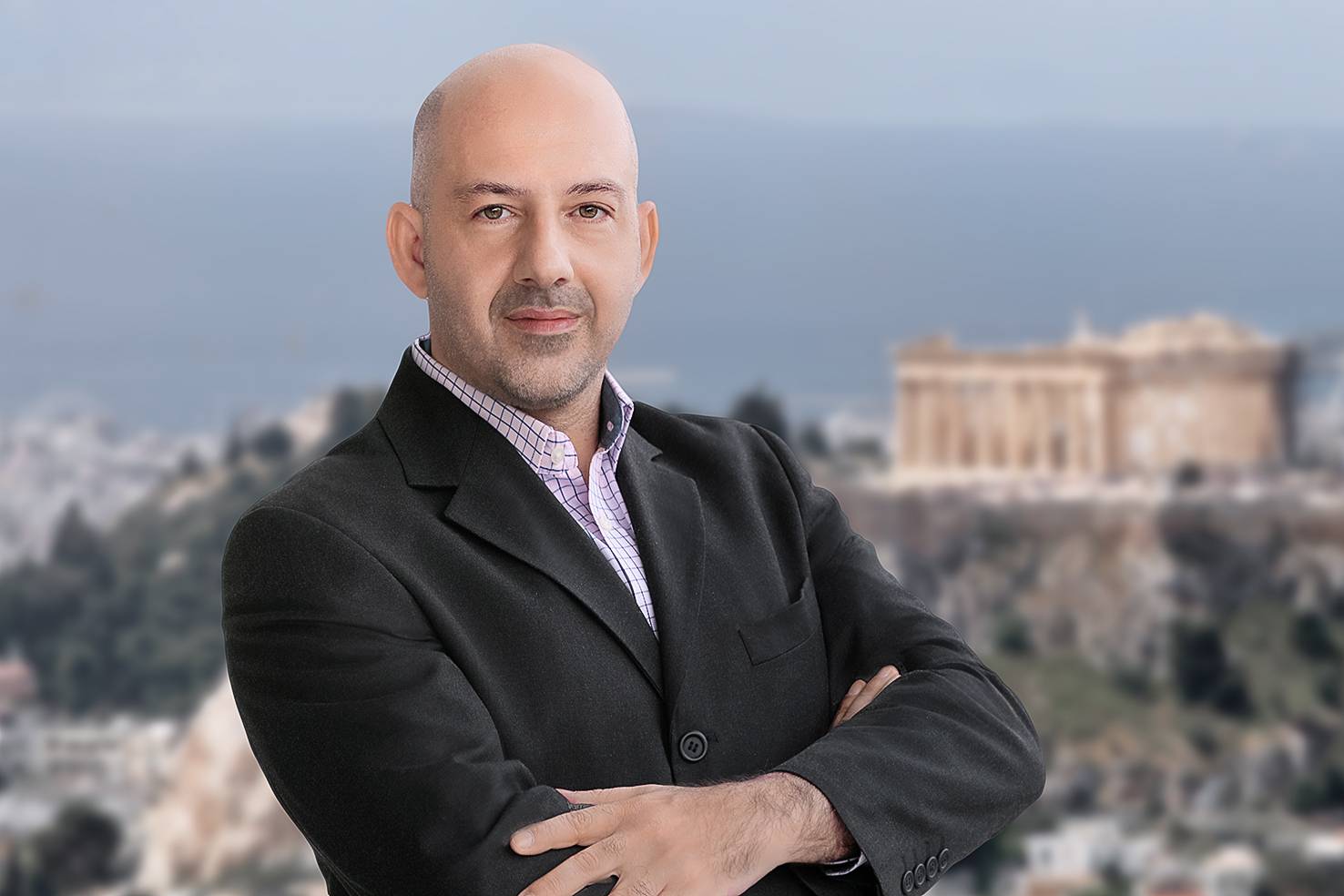
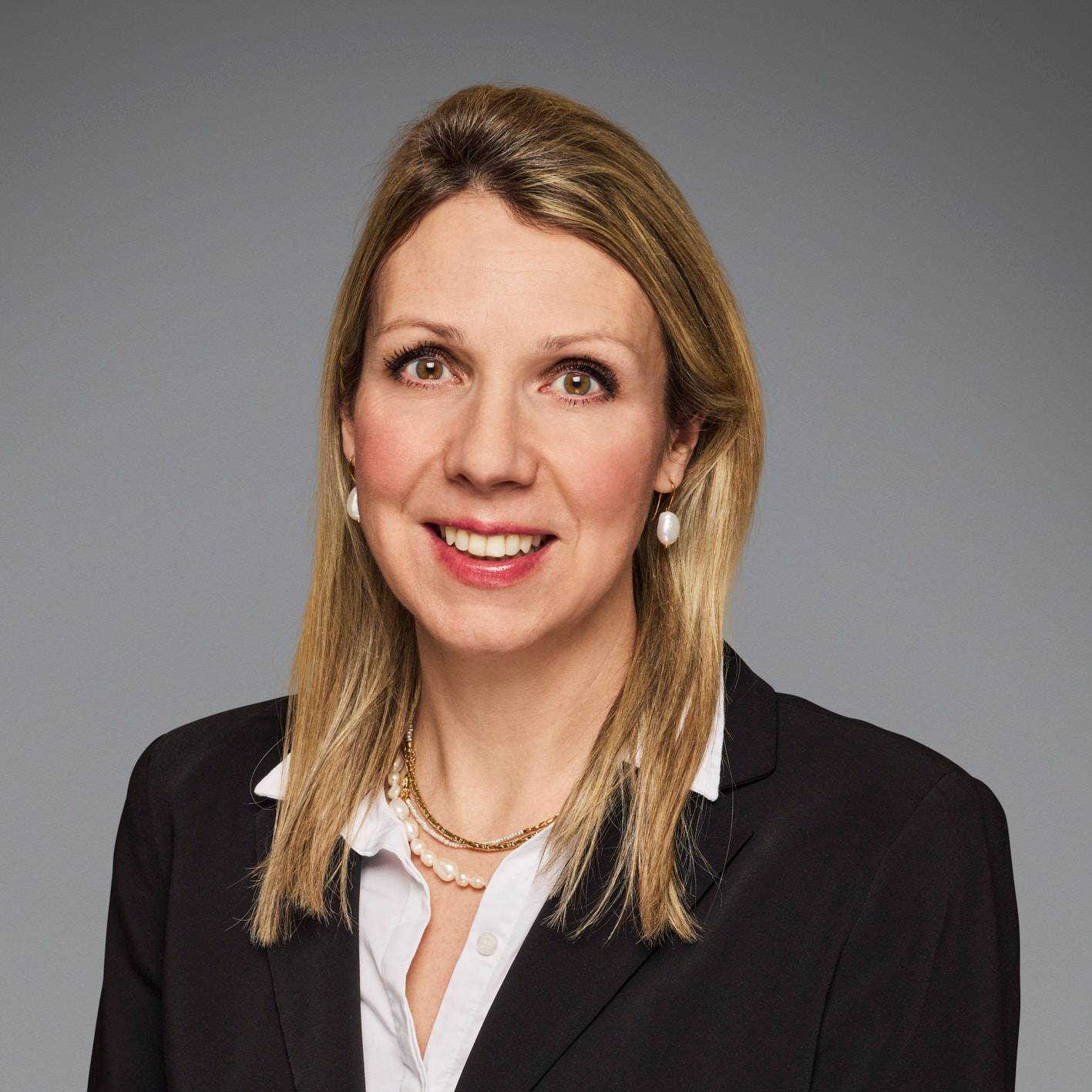
César Daguet from The Forum Finance Group SA is our Fund Selector of the Month

22 OCT, 2025
By Joanna Piwko from RankiaPro Europe


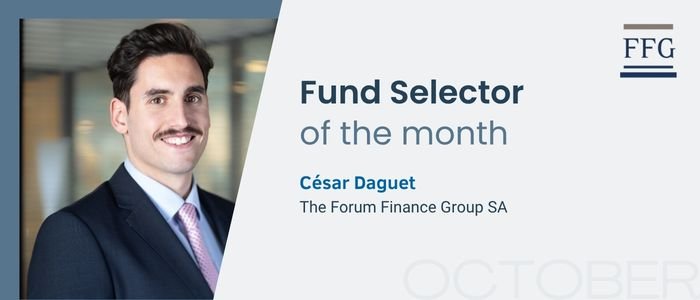
César Daguet began his career in 2018 as a Portfolio Manager at Forum Finance Group. In 2020, he obtained the CIIA certification, achieving the highest score in Switzerland among that year’s candidates. In 2021, he was promoted to Lead Portfolio Manager of a fund of funds and now oversees the firm’s fund selection activities. He holds a master’s in mechanical engineering from EPFL.
Could you share a bit about your journey in fund selection? How did you realize this was the right career path for you?
My journey in fund selection has been driven by curiosity and a passion for learning. What makes this role so fulfilling is the diversity of topics and people I engage with on a daily basis. I have the chance to select funds cross asset classes, which means that I might start the morning discussing emerging market debt, then move on to sustainable energy, European small caps, AI, and end the day with a deep dive into cryptocurrencies. This cross-asset exposure is intellectually stimulating and constantly evolving. Fund selection allows me to interact with experts across disciplines, challenge my thinking, and refine my understanding of global markets. It quickly became clear that this was the right path for me—I learn something new every day, and that continuous growth is what I value most.
Looking back at your career, what would you say are the highlights, and what’s the most important lesson you’ve learned along the way?
A key highlight of my career has been the opportunity to take over the management of a global multi-asset fund of funds alongside being responsible for fund selection. This dual responsibility has given me a comprehensive and holistic understanding of the investment value chain—from strategic asset allocation and portfolio construction to manager selection and monitoring. One of the most important lessons I’ve learned is that fund selection should never be driven by performance alone. Understanding a fund’s role within the broader portfolio—its contribution to diversification, risk, and exposure—is essential to building robust and coherent investment solutions.
When evaluating a fund for a portfolio, which factors do you prioritize, and which metrics or ratios do you consider most reliable for assessing long-term performance?
When evaluating a fund, I prioritize understanding its potential role within a portfolio rather than focusing solely on performance metrics. It’s essential to assess how the fund is expected to behave across different market environments, where its risk exposures lie, and how it correlates with other holdings. This helps ensure the final portfolio remains aligned with the client’s risk profile and investment objectives. Reliable long-term performance assessment comes from analyzing consistency, downside protection, and contribution to diversification—not just absolute returns. A fund’s strategic fit is ultimately more valuable than its standalone track record.
Could you share the current asset allocation of your model portfolios, and what trends or opportunities you’re currently most excited about?
Despite elevated valuations (not a good indicator of short-term performance), we remain constructive on equities. We see particular value in European and emerging market equities, where fundamentals are improving and valuations remain relatively compelling. Within U.S. equities, we maintain an overweight in growth stocks—segments that offer innovation and scalability not easily found elsewhere. In fixed income, our structural bias favors credit, with a significant allocation to high yield. However, given the current tight credit spreads, we actively seek yield diversifiers and sources of decorrelation. Earlier this year, we added exposure to corporate hybrids, and we’re currently evaluating CAT bonds for their uncorrelated risk profile as well as Nordics credit to reduce credit risk while benefiting from a yield pickup. We also see strong potential in alternative strategies (e.g. liquid hedge funds alike strategies), especially event driven, global macro and CTA strategies, which can thrive in environments marked by valuation extremes and shifting macro dynamics. These strategies offer valuable diversification and tactical flexibility, which we believe will be key to navigating the coming months.
How do you identify a fund’s potential to outperform over the long term beyond just historical performance?
To assess a fund’s long-term potential beyond historical performance, I focus on consistency in alpha generation as well as its structural biases. Understanding the investment guidelines is key—what flexibility can the team use, what risk budget do they have and what levers can they pull to generate alpha? Some investment teams have many different alpha engines so the key is to evaluate whether they can effectively use them across market cycles. Freedom in strategy is valuable only if it translates into disciplined, repeatable outperformance and not by hidden beta. This analysis helps identify managers who can deliver sustainable value through consistent alpha generation (i.e. true alpha).
Which assets do you think will outperform and which are likely to suffer the most in the coming months?
Given the current state of government balance sheets, we remain cautious about taking excessive duration risk, particularly on the long end of major sovereign curves. Instead, we see compelling opportunities in small and especially mid-cap equities, notably in Europe. These segments offer attractive valuations, have lagged in recent years, offer elevated earnings growth rate, should benefit from recent spending announcements, dovish central banks and recovering PMIs in the region. However, in such an inefficient market, which translates into a wide range of possible outcomes (i.e. dispersion of results), selectivity becomes key: choosing the right manager is critical to unlocking long-term value.
How has the role of a fund selector evolved in recent years, and where do you see it heading in the future?
Although I’ve been in fund selection for just four years, it’s clear the role has evolved significantly over the past 15 years. Regulatory developments and innovation, e.g. use of ETF wrappers for active strategies, seem to have brought greater choice and transparency, which has reduced the risk of fraud or misrepresentation, a major positive for the industry. Looking ahead, I believe technology—particularly AI—will play a growing role in shaping fund selection. With thousands of products available, the ability to filter the universe efficiently and match specific portfolio needs will be increasingly data-driven. AI and advanced analytics will help selectors focus on strategic fit, risk contribution, and portfolio construction rather than just past performance. The human and team dynamics aspects remain essential, but technology will enhance precision and scalability.
What qualities do you believe make an exceptional fund selector stand out?
An exceptional fund selector stands out through a combination of intellectual curiosity, strategic focus, and adaptability. Curiosity is essential to explore new asset classes and emerging segments, staying ahead of market trends and innovation. Equally important is the willingness to embrace new tools and technologies that enhance the selection process and improve decision-making. But perhaps most critical is the ability to choose your battles—no one can cover every fund across every asset class. The best selectors know where they can add the most value and concentrate their efforts accordingly. This focused approach, combined with openness to innovation and a deep understanding of portfolio needs, is what truly differentiates top-tier fund selectors in today’s complex investment landscape.
Outside of your professional responsibilities, how do you typically spend your time? Are there particular hobbies or interests you pursue?
Outside of work, I devote much of my time to two passions: sport and music. I practice triathlon, which has become a powerful source of mental strength for me. The multidisciplinary nature of the sport—balancing swimming, cycling, and running—requires discipline and resilience. Completing my first half Ironman this year was a deeply rewarding experience, both physically and mentally. Music is my other passion, especially electronic music. I’m fascinated by how tracks are constructed—the layering, the harmonies, and the unexpected transitions that create emotion and energy. This curiosity led me to start DJing four years ago. Sharing music I love with a crowd and creating a moment through sound is incredibly fulfilling. Both triathlon and music offer me balance, challenge, and creative expression—qualities that complement my professional life in fund selection.