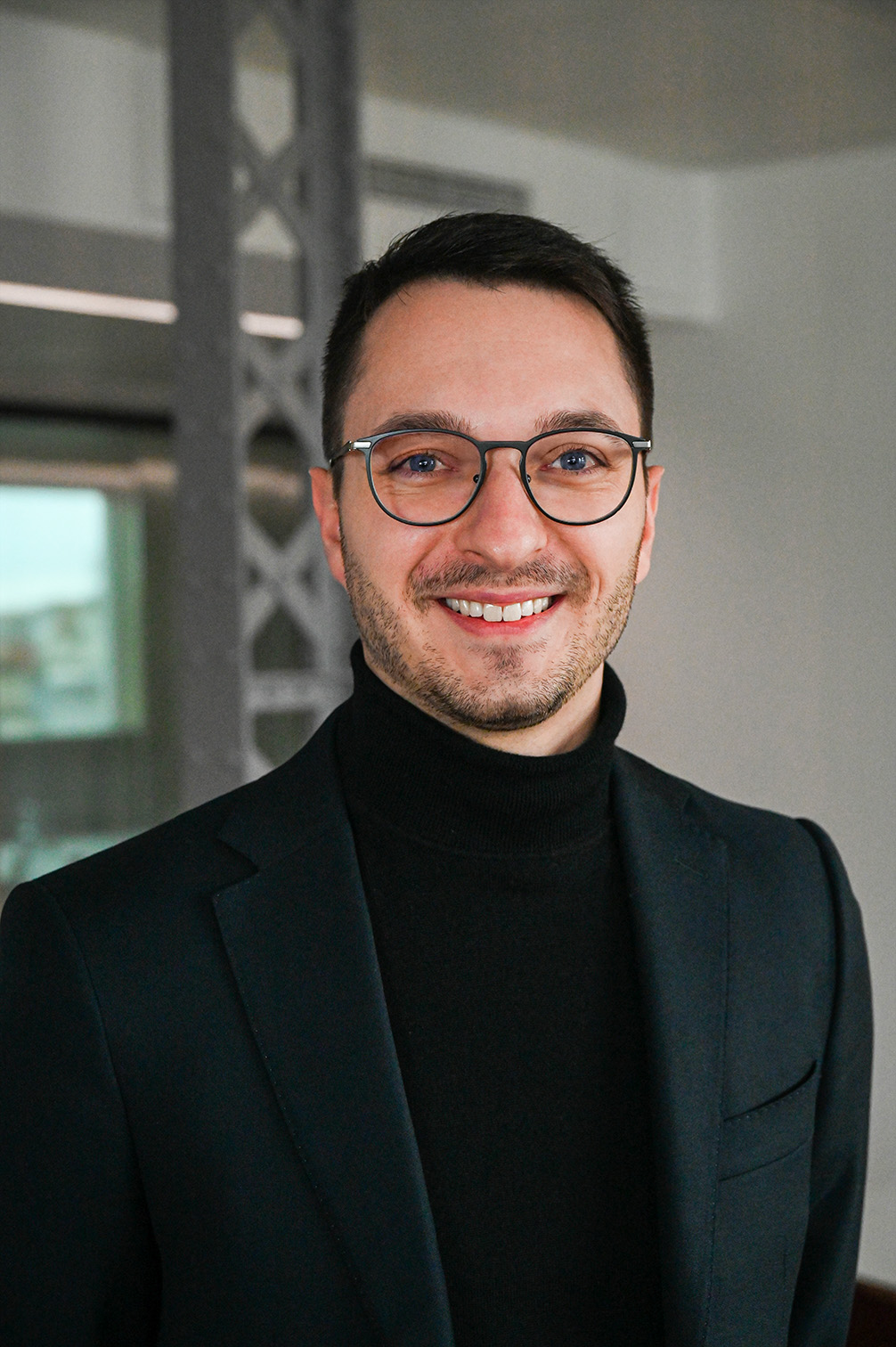
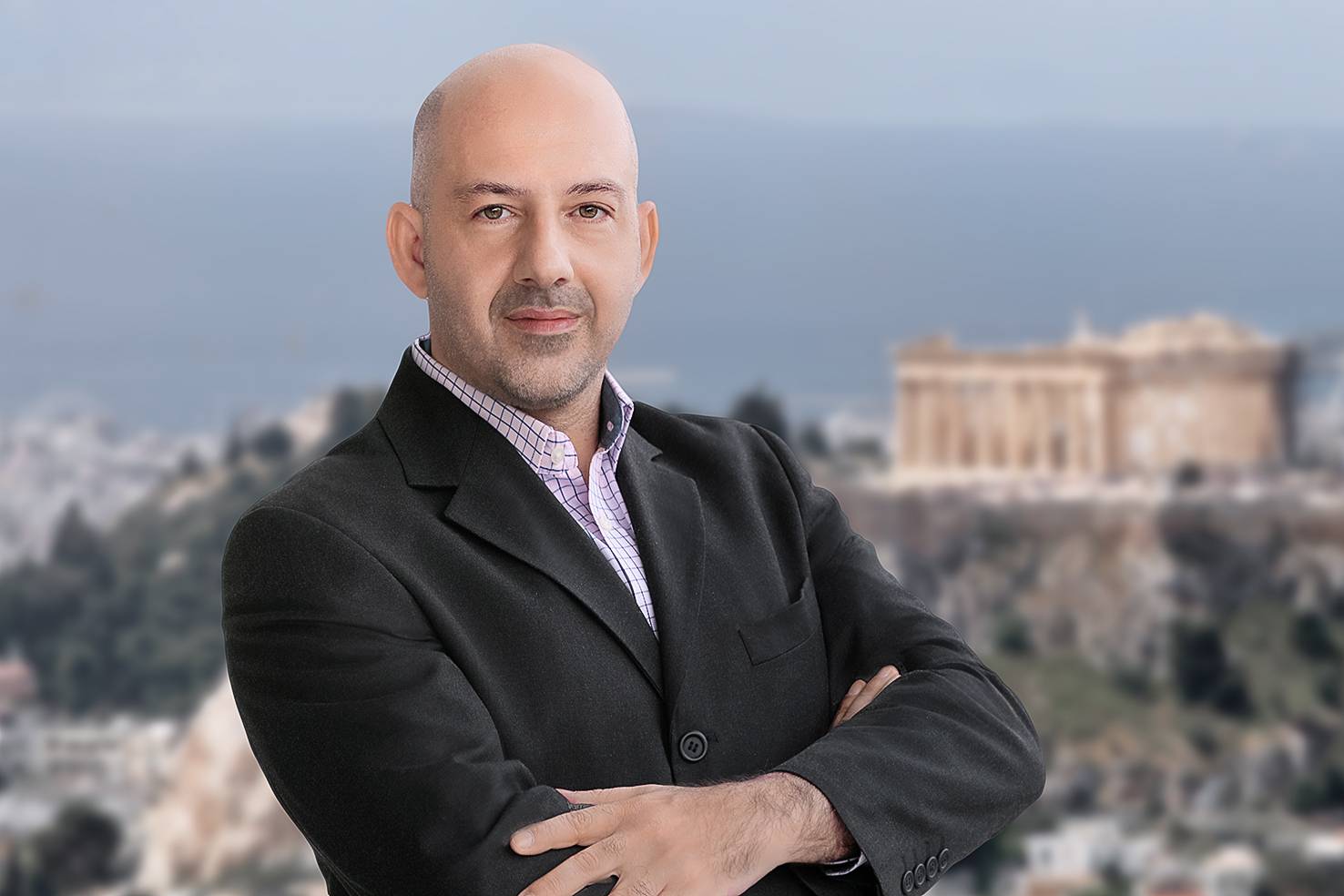
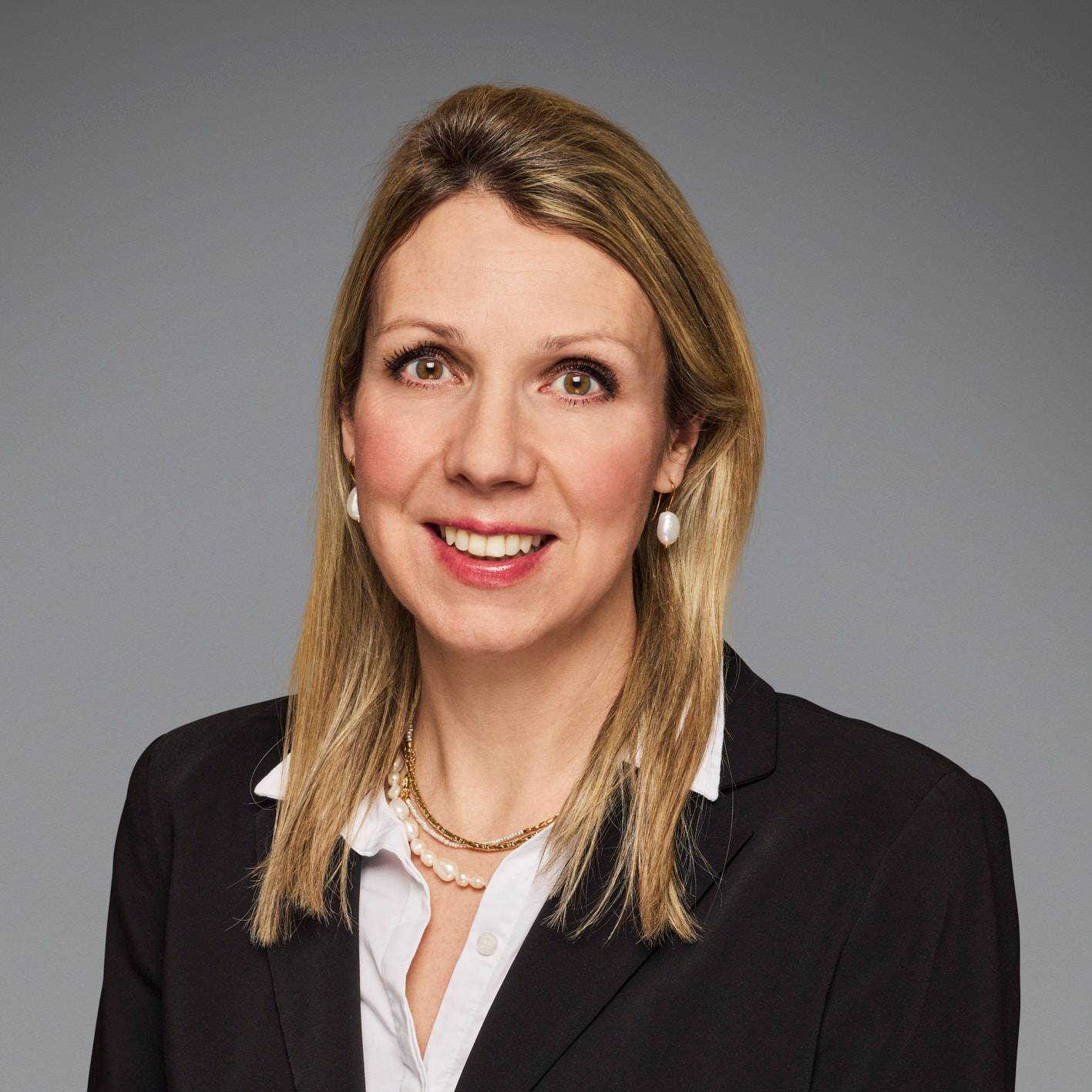
Matteo Fornasier from BBPM Life is our Fund Selector of the Month

2 APR, 2025
By Jose Luis Palmer from RankiaPro Europe


Matteo's professional journey began as an Hedge Funds Analyst in Italy, where he started his career at Finint SGR. During his time there, he gained extensive experience in various financial instruments and investing strategies.
He then moved to Anima Asset Management, where he served as Head of Structured Solutions. In this role, he successfully launched and managed a portfolio of over 40 funds, accumulating assets under management (AUM) exceeding EUR 10 billion.
Later, Matteo transitioned to a consulting firm, where he played a key role in helping leading European banks reduce their exposure to Non-Performing Loans, thereby strengthening their financial stability.
In 2020, Matteo joined BBPM Life as Chief Investment Officer. In this role, he manages a portfolio with assets under management (AUM) exceeding EUR 4 billion. His primary responsibilities include Fund Selection, as well as overseeing and implementing investment strategies across Funds, Bonds, and Derivatives.
Matteo holds a Master in Business Administration (MBA) from Trinity College and a Master Degree in Statistics and Business Intelligence from Ca’ Foscari University.
Can you walk us through your experience in fund selection? When and how did you start your career in the financial industry?
I’ve always been passionate about finance and investments, since I was a teenager, losing my pocket money investing in Covered Warrants and equities trying to pursue my financial independence. With a friend, studying statistics and computer science at university, we focused on quantitative finance with a side project on creating a investment decision support platform online. These experiences help me to obtain my first job when I was helping to manage a leveraged Fund of Hedge Funds going through financial turmoil such as the default of Bear Stearns, Lehman Brothers and the Madoff scandal. I believe that all these market events gave me a solid foundation at the start of my career.
Taking a brief look at your working life, what would you highlight about your professional career?
If I had to highlight one thing, it’s the importance of building a strong foundation. Early in my career, I immersed myself in complex financial instruments and investment strategies, which gave me the technical expertise to assess opportunities with confidence. But I quickly realized that technical skills alone weren’t enough. Pursuing an MBA was a turning point—it expanded my managerial perspective and taught me how to align investment strategies with broader business goals. Over time, I’ve learned that maximizing value for all stakeholders isn’t just good ethics; it’s good business. This mindset has helped me adapt to regulatory changes and shifting investment trends, helping me to try to stay ahead of the curve.
What aspects do you consider most important when selecting a fund for a portfolio? Which ratios and metrics do you value the most?
When selecting a fund, in my opinion, it is a combination of top-down and bottom-up approaches. I try to envisage how the fund would fit in the portfolio and if it can fulfil all the contribution’s needs. I focus then on the investment discipline and philosophy, with risk management approach, investment team, ESG criteria and investment company as supporting pillars in the due diligence process.
In terms of ratios and metrics I am a bit obsessed with the consistency of the performance, in absolute terms and relative to the benchmark (if any is present). A fund manager that can consistently deliver what’s in the mandate gives you less headache as I need to build value over time, not finding a shooting star that is nice to watch but won’t last long. In terms of and metrics I pay particular attention as well to volatility, portfolio concentration and trading costs, looking for efficient and savvy management.
What is the current asset allocation of your model portfolios? How should investors navigate current market uncertainty?
Our current customer base is mostly retail with a medium to long term focus, so, to fulfil their needs we have to be quite conservative. We benefitted from the increase of interest rates over the last few years but now the situation is changing and so it is our focus with more attention on the contribution that equity investments can bring to the portfolios. Increasing the equity and the alternative investments allocation will be key to be able to continue to deliver positive performance over the next few years, selecting accurately sectors and geographic areas that have higher probability of growth.
Private markets can provide an interesting edge as well, but only if they can have the right weight in the portfolios, otherwise the impact is not worth the effort on investing in this asset class.
What mistakes are most frequently made in fund selection?
One of the biggest mistakes is chasing performance without understanding how it was achieved. I’ve seen too many investors fall for “shooting stars” that burn out quickly. Another common error is losing objectivity—falling in love with a fund because it seems perfect. That’s why I always take a step back and ask, “What’s the alternative?” A rigorous due diligence process, supported by checklists and comparison tools, helps me stay grounded. Experience has taught me that discipline and patience are far more valuable than excitement.
Which assets do you think will outperform and which are likely to suffer the most during 2025?
Compared to recent years I expect the fixed income market to be less rewarding while I am extra careful with equity because I expect sensible growth from some strategies and countries while other would struggle to growth. The key is the geo-political instability that can divert trends, increasing the risk of retracing in equity markets and impact planned fiscal policies.
The increasing interest for private markets will help to push performance due to increasing demand. I think the ESG investment will soon reach a plateau re-aligning the performance of the sustainable investments with the one without a specific ESG focus.
How has the work of the fund selector changed in recent years? How do you think it will evolve in the coming years?
Over the years the fund selection consolidated separating what is core to what is white noise. There has been a proliferation of funds that don’t last long. Also, passive strategies are now more widely used as building blocks in the portfolios so selecting active managers that can provide a competitive edge is become more crucial in the selection activity.
In terms of evolution, I’ve seen lots of recent discussion on how the Artificial Intelligence will impact the work of fund selectors, like most of my colleagues I think that AI is a leverage to do better and more efficiently our job. The human touch and the experience in the field is something that cannot be replaced especially when we need to combine so many variables like in a due diligence process.
What qualities do you believe make an exceptional fund selector stand out?
When I was younger, I was annoyed that experience mattered so much, now I realise how wrong I was. Experience is what helps you stay calm during market turbulence and see the bigger picture. At the same time is important to keep a youthful enthusiasm for this job continuing always to study and to gain knowledge keeping up to date with trends and technologies. The best fund selectors are lifelong learners, always staying ahead of trends and technologies. And let’s not forget humility, knowing what you don’t know is a strength, not a weakness.
What do you like to do in your free time?
Despite the fact that I won’t be hired for an ad of Slimming World, I try to stay fit doing CrossFit with average results as my scores don’t deteriorate over the years, they demonstrate my solid risk management approach. I am as well a “below average” chess player; I love to ride my 1979 Vespa and to take care of my 350 olive trees. But my greatest joy is spending time with my family, my incredibly supportive wife, Izabela, and my son, Leonardo, who reminds me every day that the future is full of possibilities.